




























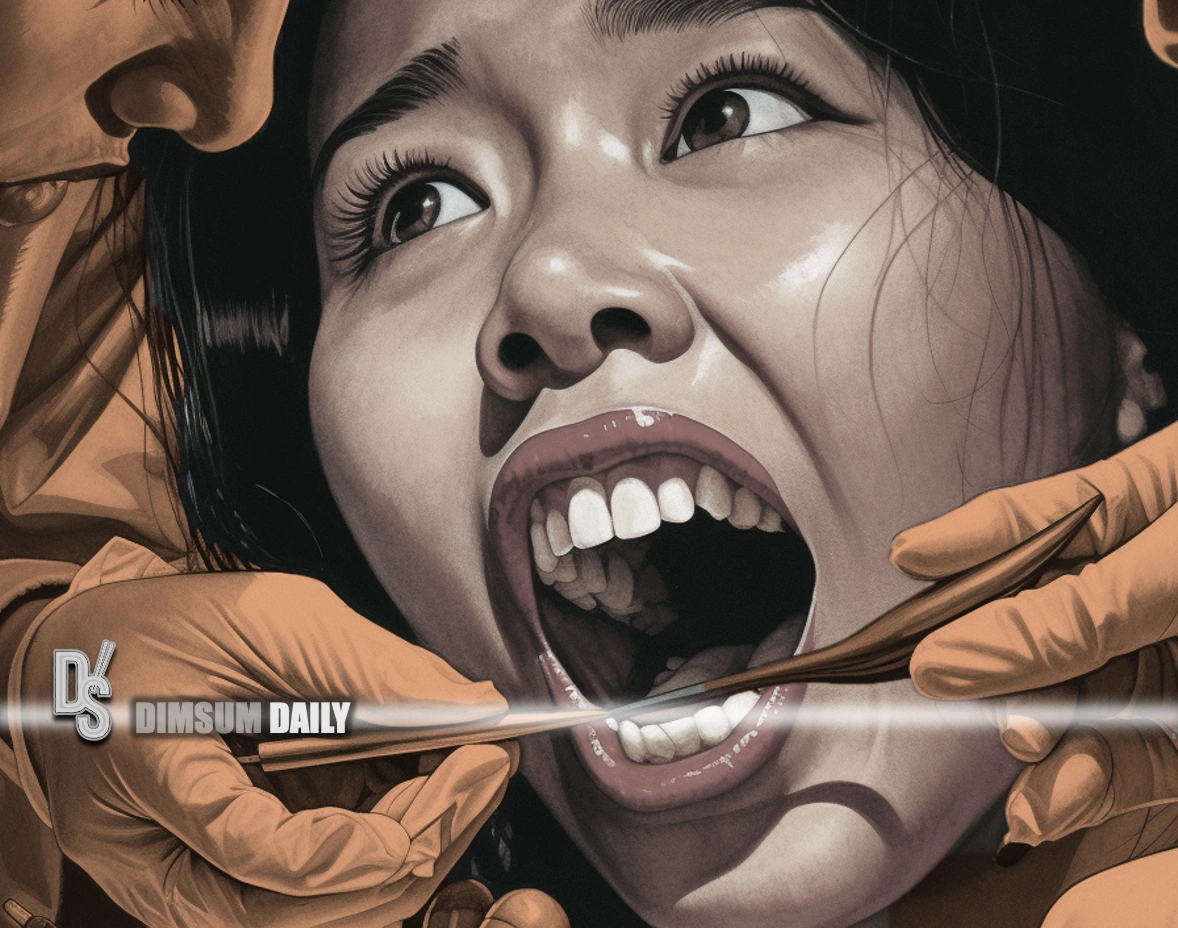
19th August 2025 – (Hong Kong) When officers from Immigration Department entered a Sham Shui Po tenement block last week, they did not uncover drugs, gambling or smuggling, but six Filipino domestic helpers running a makeshift dental clinic. Inside a cramped flat, they found scaling tools, denture moulds and orthodontic wires. Two women, aged between 34 and 60, had taught themselves dentistry through YouTube tutorials. Four others acted as assistants. On the day of the raid, thirteen compatriots were waiting for treatment. The “patients” were not reckless thrill‑seekers. They were fellow helpers, desperate for affordable dental care, willing to trust their peers in the absence of realistic alternatives.
This is not new. In 2021, four other helpers were arrested in Mong Kok after more than a year of offering weekend dental services in a rented guesthouse room. They too had no formal qualifications. The pattern is clear: despite repeated enforcement actions, demand persists. The question is fundamental—why would anyone risk their health in the hands of an unlicensed dentist? The answer lies in cost, access, and trust.
For many domestic helpers, routine dental care is beyond reach. Their employment contracts hold employers responsible for medical expenses, but dental coverage is generally limited to emergencies—abscesses, extractions, oral surgery. Cleaning, scaling, braces or dentures are excluded. Government dental clinics focus on urgent cases only, and waiting times stretch for months. Private dentists, meanwhile, charge upwards of several thousand dollars for procedures. For a worker earning HK$4,870 a month—the statutory minimum wage for helpers—the arithmetic is impossible. Paying HK$500 to a fellow helper for a cleaning, even in unsafe conditions, becomes the only viable option.
That trust is not naive. It comes from shared experience. Helpers live in close quarters, often in isolation, and form their own community networks. Word of mouth and peer referrals carry more weight than distant institutions. When one helper says, “She fixed my denture for HK$300,” another is inclined to believe. The “dentists” themselves are not driven by malice but by demand. They know their skills are amateur, yet they see their peers suffering toothaches or insecure about missing teeth. Armed with online tutorials and borrowed tools, they step into the gap. In doing so, they break the law, but they also expose a truth about unmet needs.
The government is right to act. Enforcement is not optional. Dentistry without training is dangerous. Investigators described the Sham Shui Po flat: a sofa doubling as a dental chair, towels and tissues in place of sterilised gowns, no evidence of proper disinfection, medical waste discarded carelessly. The risk of infection, transmission of viruses, or irreversible damage is immense. Hong Kong cannot allow unlicensed practice to flourish unchecked. The Immigration Department has a duty to protect public health and uphold the rule of law. The penalties—fines up to HK$50,000 and imprisonment—exist for good reason.
Yet enforcement alone will not resolve the underlying issue. As long as domestic helpers remain priced out of legitimate dental services, underground markets will re‑emerge. This is not a matter of cultural eccentricity but of structural exclusion. Helpers are covered for medical costs by contract, but the standard insurance policies employers purchase tend to exclude preventive or non‑urgent dental care. Employers often see dental add‑ons as unnecessary expenses. But a simple filling, left untreated, becomes an emergency extraction later. A cleaning, neglected, may lead to gum disease. The cost savings are illusory.
The solution must therefore address both sides: strict enforcement against unlicensed practice, and better access to legitimate care. Employers should be encouraged, even incentivised, to purchase more comprehensive insurance plans for their helpers. Many insurers already offer policies that cover routine check‑ups and cleanings, with claim caps per visit. The additional premium is marginal compared to the household income that helpers support. For employers, choosing better coverage is not only about compliance but about decency. It recognises that helpers are human beings, not just household labour, and that their health matters.
Hong Kong’s public dental clinics are overstretched, but dedicated slots for foreign domestic helpers—perhaps on Sundays, their typical day off—would reduce reliance on dangerous alternatives. Partnerships with NGOs could provide subsidised preventive care, ensuring that helpers have access to safe, affordable treatment. Such measures would not only safeguard health but also reduce the burden of emergency dental cases on the public system.
Many helpers may not understand the risks of unlicensed treatment. Outreach in Tagalog, Bahasa Indonesia and other languages can explain the dangers of cross‑infection, the importance of sterilisation, and the availability of legitimate low‑cost options. At the same time, employers should be reminded of their contractual obligations, and that leaving helpers to fend for themselves is both unethical and, in the long run, more expensive.
Hong Kong is not alone in facing this challenge. Across Asia and the Middle East, where millions of migrant workers labour under restrictive contracts, underground health markets thrive. From unlicensed midwives to back‑alley pharmacists, the pattern is consistent: when formal systems exclude, informal ones emerge. Hong Kong has the capacity to lead by example, showing that the rights and welfare of migrant workers can be respected without compromising law and order.
The Sham Shui Po arrests should therefore be seen not only as a victory for enforcement but as a wake‑up call for policy. The Immigration Department has done its part, dismantling a dangerous operation. Now society must do its part, dismantling the conditions that make such operations attractive in the first place. It is not enough to warn helpers against “three‑no” clinics—no hygiene, no registration, no licence—if the legitimate alternatives are unaffordable or inaccessible.
The government’s stance has been clear: helpers must work only for their contracted employers, and employers must not permit or demand otherwise. This principle should remain non‑negotiable. But within that framework, more can be done to ensure helpers’ well‑being. Comprehensive health coverage, accessible clinics, and targeted education would reduce both the temptation and the necessity of seeking treatment from illegal dentists.