


























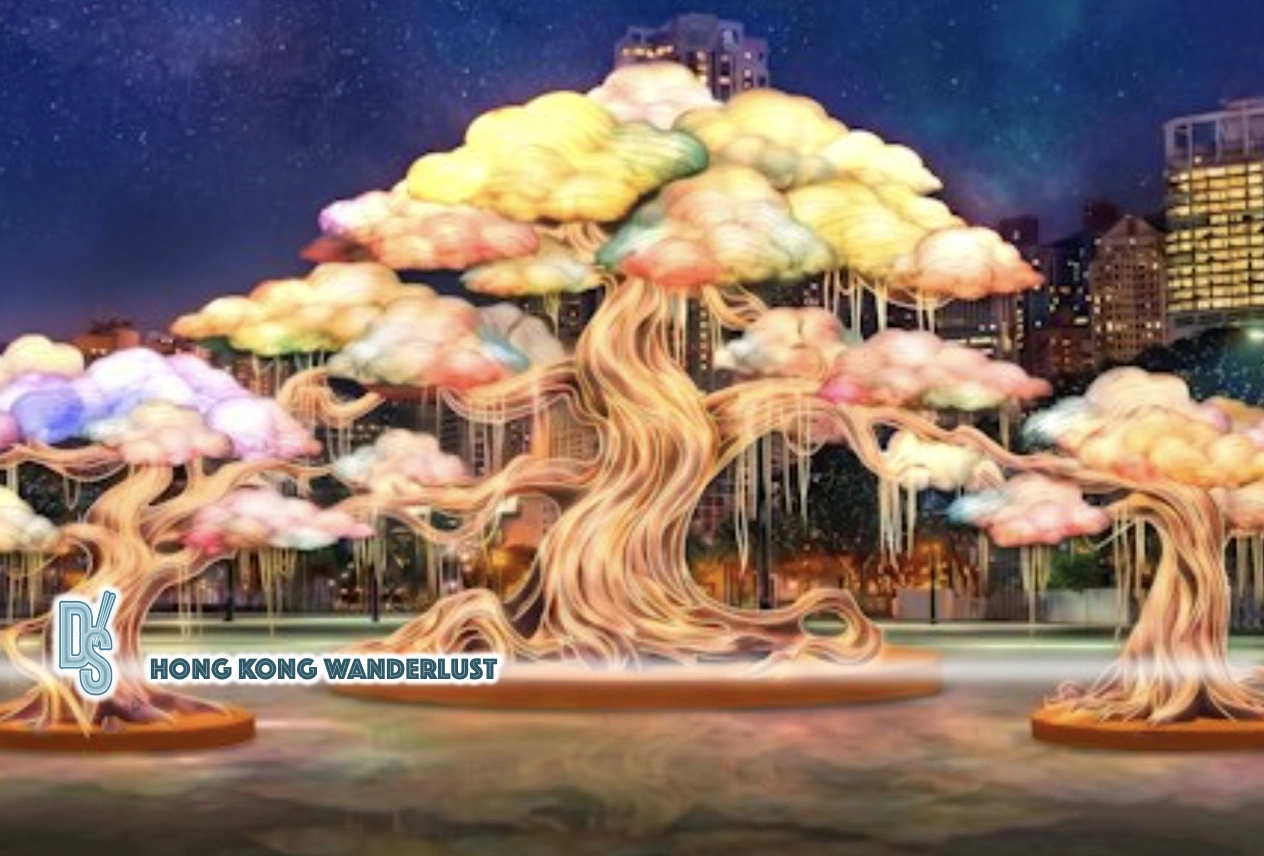
13th September 2026 – (Hong Kong) The Hong Kong Tourism Board will stage its first International Mid-Autumn Lantern Carnival at Victoria Park from Thursday, 17th September, to 27th September, bringing about 3,000 specialty lanterns from 20 countries and regions under a reunion theme.
A World Lantern Street is planned to gather those international pieces, while a Hong Kong lantern court will display more than 400 traditional hand-made Hong Kong lanterns. Organisers want a Mid-Autumn spectacle that residents and visitors feel they can only get in the city.
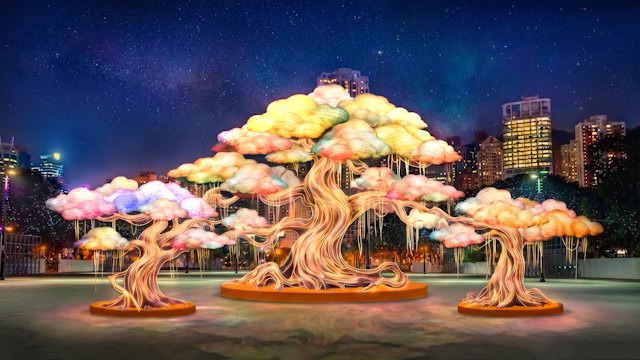
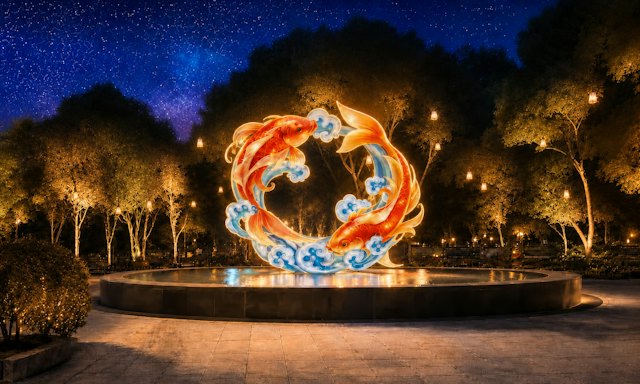
The board has invited a 33-strong Nanjing Qinhuai lantern team to build four giant sets for the carnival. The standout is an eight-metre banyan-shaped installation named Tree Shadows Flowing Light, made of one large tree and three smaller ones. Unlike classic Qinhuai motifs of lotus, koi and zodiac creatures, it is the team’s first time using Hong Kong’s banyan as the subject of a large main lantern, fusing intangible cultural heritage craft with local life. Visitors can walk into the group for close-up viewing and photographs. Other commissioned sets include Carp Leaping the Dragon Gate and Moonlit Lotus Pond.
Team representative Yu Zhongzhi said the shade of the banyan is where neighbours cool off, chat and gather — a shared memory across generations. He hoped the heritage lanterns would not merely be distant exhibits from elsewhere, but let Hong Kong people see their own city’s memories and draw closer to the craft in a two-way cultural exchange.
To recreate tangled roots and aerial roots, the makers studied real Hong Kong banyan photographs, revised three-dimensional models repeatedly, then built trunk, roots, aerial roots and canopy in layers before joining them. For outdoor space, safety rules and wet weather, they did not simply reuse old assembly methods: structures, materials and joins were tailored, including flange-and-bolt fittings that break the giant into prefabricated pieces for shipping, on-site joining and later dismantling.
Qinhuai lantern craft dates to the Eastern Wu period of the Three Kingdoms and spans more than 1,700 years. Its making follows four steps — binding, pasting, painting and cutting — prized for intricate forms, fine handwork and rich auspicious meaning.