





























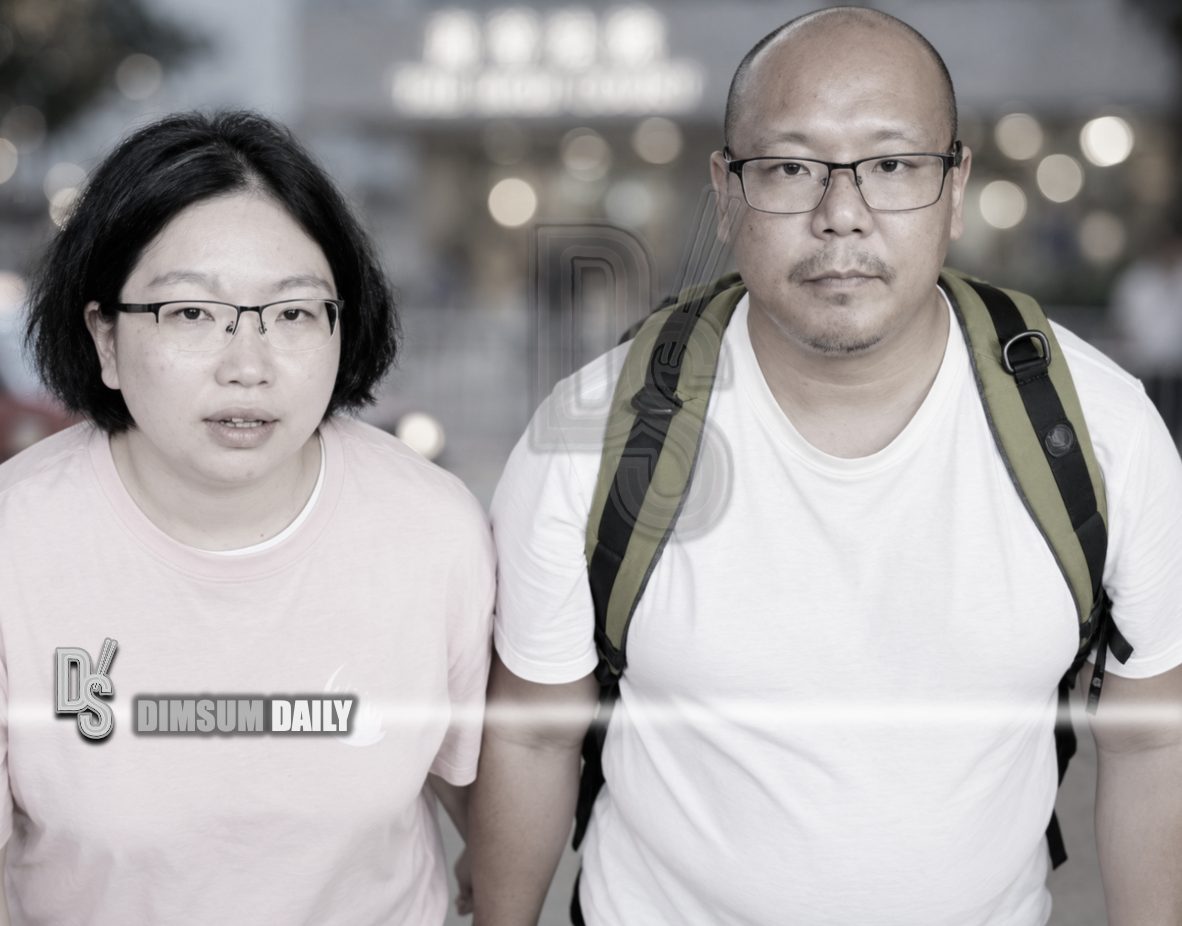
14th October 2026 – (Hong Kong) The campaign to reunite Lily with her family took a dramatic turn overnight after her parents, Tsang Wai‑bong and Kwan Pui‑sin, said Sweden had notified them at 9.44pm on 13th October (Hong Kong time) that it would not enforce Lily’s deportation order for now because officials were unable to collect the child’s DNA sample as requested by Hong Kong authorities. The couple stressed that both they and Swedish authorities recognise them as Lily’s parents, yet Hong Kong has insisted on genetic proof before issuing a Hong Kong Special Administrative Region passport and confirming reception arrangements.
They said they are willing to provide their own DNA to facilitate testing, but Lily is currently under guardianship in Sweden and her guardian has refused consent for sampling. Without lawful consent, Swedish authorities cannot take a child’s DNA, leaving the removal process at an impasse. In their statement, the parents cited Article 9 of the European Union’s General Data Protection Regulation, noting that genetic material and the resulting profile are treated as “special category” personal data subject to strict protection and generally barred from processing unless there is explicit consent or a specific legal basis in areas such as healthcare, public interest or legal proceedings.
The couple added that Swedish officials have previously questioned Hong Kong’s insistence on DNA testing, arguing that the city had not offered a workable reception plan. Hong Kong, they said, has maintained that biological ties must be confirmed before any travel document can be issued and before arrangements for Lily’s return can proceed. They urged the Immigration Department to use discretionary powers to first receive Lily in Hong Kong so she can reunite with her family, and then resolve questions of parentage and identity documents under local law.
According to the parents, a regional court in Sweden has prepared to hear Lily’s custody case in November. They fear that, absent a clear pathway for her repatriation and care in Hong Kong, the court could decide—on the basis of the child’s best interests—to transfer custody to a local foster family, potentially leaving Lily in Sweden on a long‑term basis and jeopardising her opportunity to come home. Previous reporting has indicated that Swedish proceedings would weigh DNA evidence among other welfare assessments in determining Lily’s future.
They characterised the situation as urgent and severe. The parents said they have written to Hong Kong’s Immigration Department asking it to exercise discretion to receive Lily first and resolve the documentation afterwards. If they receive no reply by 1.00pm on Friday, they intend to file an emergency application for judicial review in Hong Kong to challenge the stance that has kept their daughter abroad. Broader coverage of the Save Lily saga has chronicled the family’s multi‑jurisdictional struggle and the central role DNA verification has played in attempts to secure Lily’s return.