






















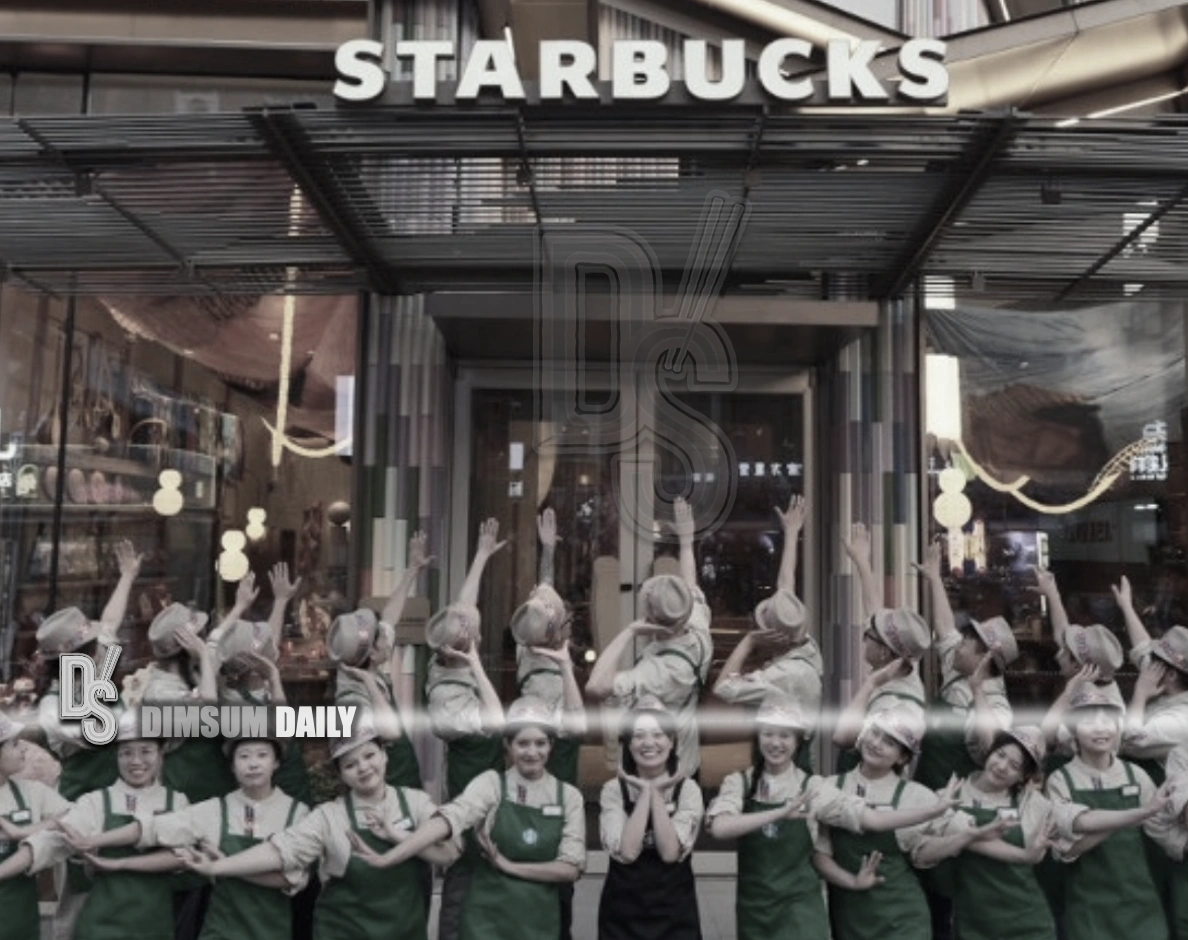
3rd October 2026 – (Washington) US legislators have pressed Starbucks to shut newly opened outlets in China’s Xinjiang region, branding it a “morally bankrupt” move to operate where Muslim minorities have faced mass detention allegations. The coffee chain, which last year sold a controlling stake in its China retail arm to Hong Kong‑based Boyu Capital, launched two stores this week, drawing swift political and human rights criticism.
Videos on Chinese social media showed long queues at a flagship in Urumqi’s Grand Bazaar, with influencers promoting limited items such as a milk‑skin‑flavoured salty milk tea. Merchandise on display included dolls in local ethnic costume, part of a push that critics say packages Xinjiang’s heritage for tourists while curbing communities’ ability to practise their culture freely.
John Moolenaar, chair of the United States House of Representatives’ select committee on China, condemned the decision, arguing there is no justification for an American brand to expand in a region where more than a million Uyghurs are alleged to have been detained and stripped of faith, language and culture. Rights groups and several governments have accused Beijing of genocide, claims China rejects. The United Nations has warned of possible crimes against humanity, while Chinese officials insist allegations are “lies” and that Xinjiang enjoys stability, growth, ethnic unity and religious harmony.
Advocacy organisations, including the World Uyghur Congress, urged Starbucks to “stand on the right side of history”. Human Rights Watch’s Maya Wang said the company’s presence risks reinforcing a state narrative that everything is normal in the region. Starbucks and Boyu Capital have been asked for comment.
Analysts noted the commercial rationale for Starbucks, which faces intense competition from Chinese rivals. Yaling Jiang of consultancy ApertureChina said the move reflects a strategy shaped by local market priorities rather than a United States perspective. Observers added that the company is not alone: other major Western brands have also pursued business in Xinjiang as China promotes the region as a tourism destination.