




























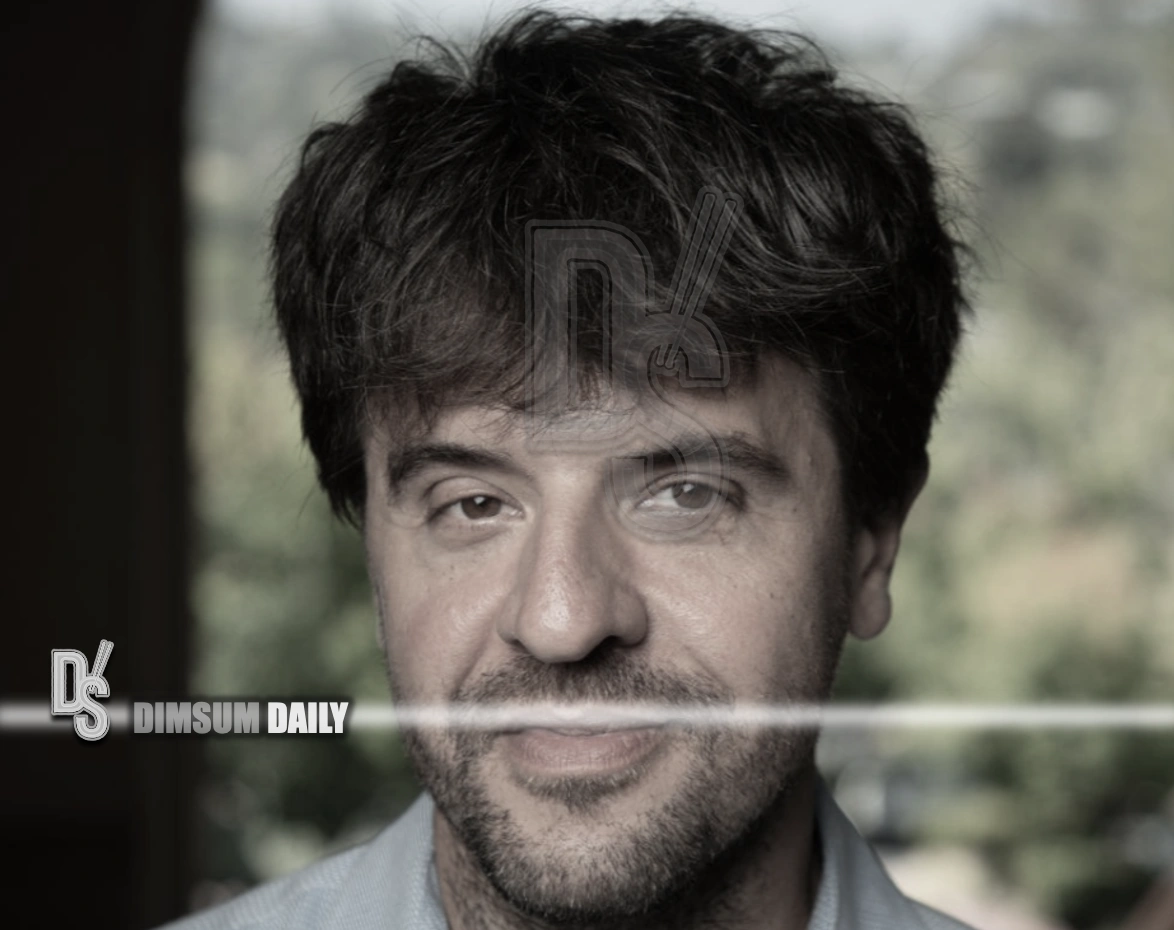
6th October 2026 – (Stanford) After being awakened in the early hours by a call from the Nobel Assembly in Stockholm, Dr. Karl Deisseroth of Stanford University spent much of the night responding to an outpouring of messages and phone calls congratulating him on winning the Nobel Prize for Medicine. Dr. Deisseroth, aged fifty-four, was recognised along with German scientists Peter Hegemann and Georg Nagel for their revolutionary work in optogenetics, an innovative field that enables scientists to use light combined with genetic engineering to activate or deactivate neurons in living brains.
Despite the global significance of his award, Dr. Deisseroth soon turned his attention away from the international recognition to a far more ordinary routine—preparing school lunches for his children. While journalists and staff from Stanford’s communications team gathered at his home in the university’s faculty housing, Deisseroth ensured that his children would be ready for their day.
Speaking to reporters from his living room after a sleepless night, Deisseroth described his reaction to receiving the news, admitting he was initially lost for words, but soon managed to address the media in a series of remote interviews. His wife, Dr. Michelle Monje-Deisseroth, a fellow scientist and paediatric neuro-oncologist at Stanford, remained close by throughout, joining the celebration and keeping guests supplied with coffee.
Reflecting on the achievement, Dr. Deisseroth emphasised that his commitment as both a psychiatrist and a scientist is motivated by his care for patients with conditions such as autism and depression, and his drive to better understand the human brain. He spoke with humility about the hope that advances in this field may bring to patients, while also expressing his inherent curiosity as a basic scientist.