































11th November 2025 – (Washington) After 40 days of deadlock, the US Senate on Sunday night cleared the crucial 60‑vote hurdle to advance legislation to reopen the federal government, with Republicans—who hold a 53–47 edge—securing support from seven Democrats and one independent. The tally was 60–40, with only one Republican, Senator Rand Paul of Kentucky, dissenting on debt concerns.
The agreement rolls back shutdown-related layoffs, guarantees back pay for federal employees and extends stopgap funding through to the end of January. It does not, however, deliver the firm commitment demanded by many Democrats to extend health insurance subsidies. Instead, it schedules a separate vote on Affordable Care Act premium tax credits in the second week of December.
The Senate’s action does not immediately end the shutdown; the measure must still pass the House of Representatives and then be signed by the president. The Senate reconvenes today for further procedural votes on the package.
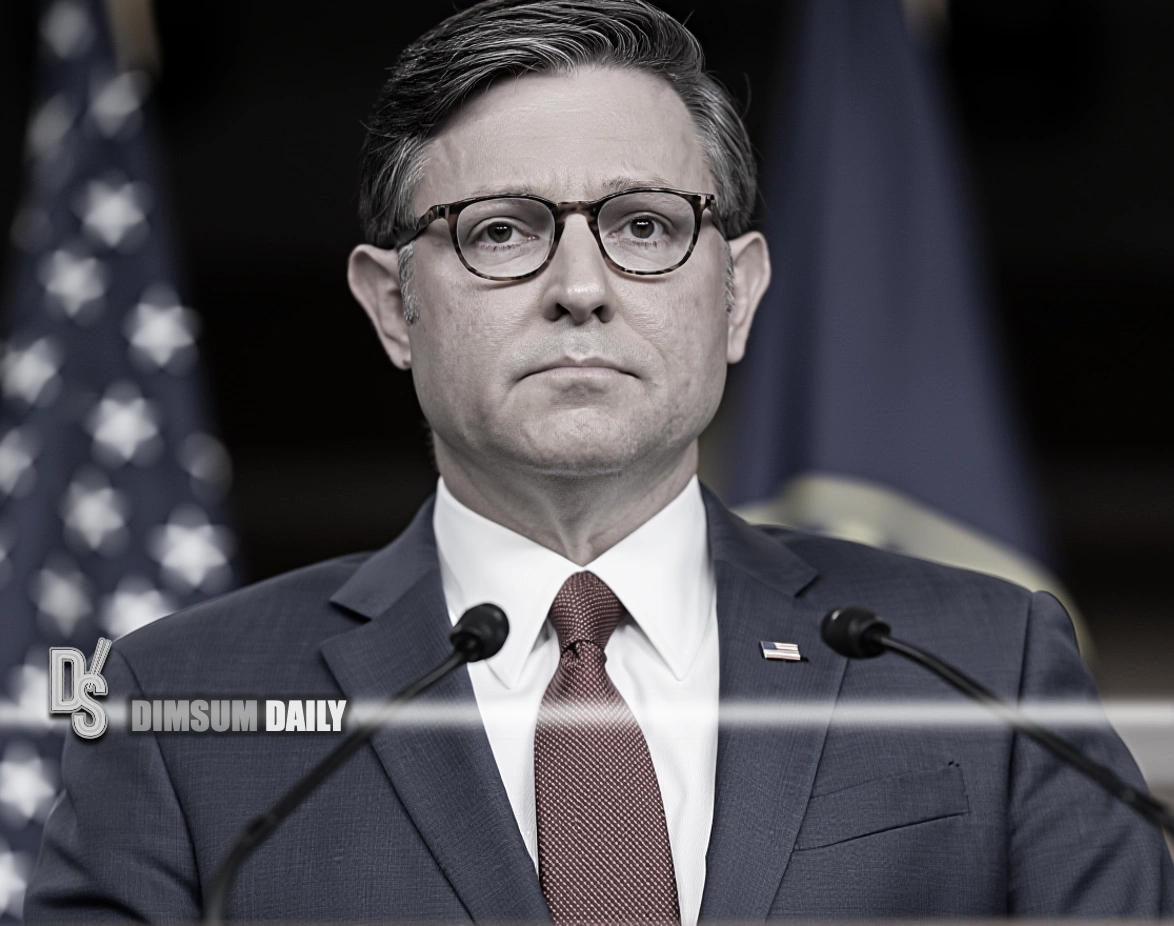
Republican House Speaker Mike Johnson said the Senate’s late‑night move marked the beginning of the end of the longest shutdown in US history, adding that Democrats finally appeared prepared to accept what Republicans had been urging for weeks. He indicated he would summon House members back once the Senate completes its final vote, providing a 36‑hour window for lawmakers to return to Washington amid travel disruptions. Johnson said the objective is to pass the amended continuing resolution swiftly and send it to President Donald Trump, who he said is keen to reopen government after 41 days.
The cross‑party votes have laid bare divisions among Democrats. Supporters of the deal argued that prolonging the standoff would deepen harm to workers and public services. New Hampshire’s Jeanne Shaheen said extended talks had shown Republicans would not include healthcare in shutdown negotiations, while Virginia’s Tim Kaine highlighted protections for federal workers and guaranteed back pay. Nevada’s Catherine Cortez Masto cited the strain on federal staff, air traffic operations and rising demand at food banks.
Opponents were scathing. Senate Minority Leader Chuck Schumer said he could not support a continuing resolution that failed to address the healthcare crisis, and House Minority Leader Hakeem Jeffries vowed to fight any Senate Republican plan that omits an extension of ACA tax credits. California Governor Gavin Newsom castigated the Senate vote as capitulation at a moment that demanded resolve.
Once the upper chamber completes its work, the House will be recalled for a vote. Only after both chambers approve the legislation and it receives the president’s signature will federal operations fully resume.