































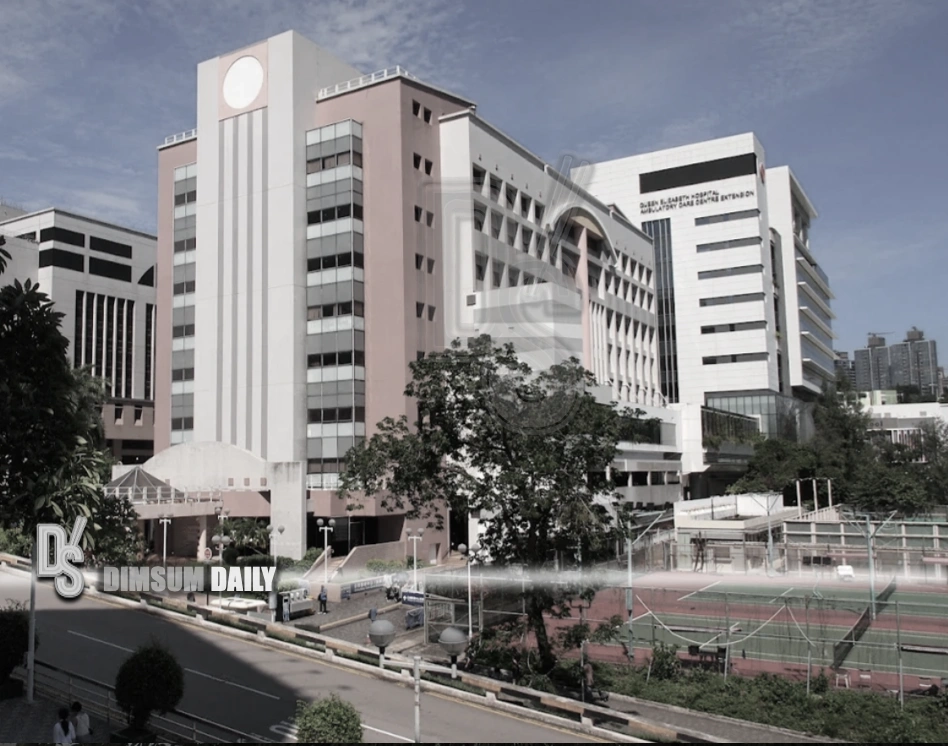
3rd October 2026 – (Hong Kong) A nine‑year‑old girl with pre‑existing medical conditions is in a critical condition in the paediatric intensive care unit at Queen Elizabeth Hospital after contracting influenza B complicated by septic shock and severe pneumonia. She developed a fever on 30th September, followed by cough and vomiting on 1st October, when she was seen at a private clinic and subsequently transferred to the hospital’s Accident and Emergency Department before admission to intensive care. Laboratory testing confirmed influenza B infection.
According to the Centre for Health Protection of the Department of Health, the child had no travel history during the incubation period and had not received the 2026/27 seasonal influenza vaccination. Two household contacts experienced mild fever and upper respiratory symptoms recently but have since recovered. The centre said investigations are continuing.
Health authorities noted that Hong Kong entered the influenza season in late June and overall activity remains at a high level. Since the end of June, there have been 21 recorded severe paediatric influenza cases, of which 16 patients have been discharged after recovery, two are in a stable condition, two are in a critical condition and one patient has died. With the new school term under way and more group activities taking place, officials expect flu circulation to stay elevated in the coming weeks and anticipate more school outbreaks.
The 2026/27 vaccination programmes, including the School Outreach Programme, began on 17th September and now feature an electronic consent form via eHealth to speed up administration. Around 100 schools have already arranged outreach sessions, with completion targeted by mid‑December, about two weeks earlier than last year. The centre is urging parents and schools to act promptly so pupils can be vaccinated as early as possible.
Officials cautioned that children’s conditions can deteriorate rapidly with influenza and advised parents to seek urgent medical attention if warning signs such as shortness of breath, wheezing, blue lips, chest pain, confusion, persistent high fever or convulsions appear. Members of the public with respiratory symptoms should consult a doctor early, wear a surgical mask at home if living with high‑risk individuals, maintain good hand and environmental hygiene, clean frequently touched surfaces regularly and ensure adequate indoor ventilation.