































26th October 2026 – (Boston) Researchers at the Mass General Brigham Cancer Institute have developed a facial analysis tool that can infer a person’s biological age and estimate a cancer patient’s survival chances from a single photograph, a step they say could complement clinical judgement and reduce reliance on burdensome testing for frailty before intensive therapies. Led by radiation oncologist Raymond Mak, MD, and ai in medicine director Hugo Aerts, PhD, the team trained a foundation model, dubbed Fahr‑Face, on more than forty million face images using masked autoencoders, then fine‑tuned it into two separate tools: Fahr‑FaceAge to estimate biological age and Fahr‑FaceSurvival to predict mortality risk.
The researchers report that Fahr‑FaceAge achieved a mean absolute error of around 5.1 years when estimating chronological age on public benchmarks, outperforming earlier facial‑age models. More importantly for oncology care, looking five or more years older than one’s actual age correlated with a 21 per cent higher risk of death over follow‑up, while appearing at least five years younger was associated with a 17 per cent improvement in survival. The model also proved robust to everyday variation in photographs such as lighting, pose, facial expression, glasses and makeup, though cosmetic nose surgery introduced small errors.
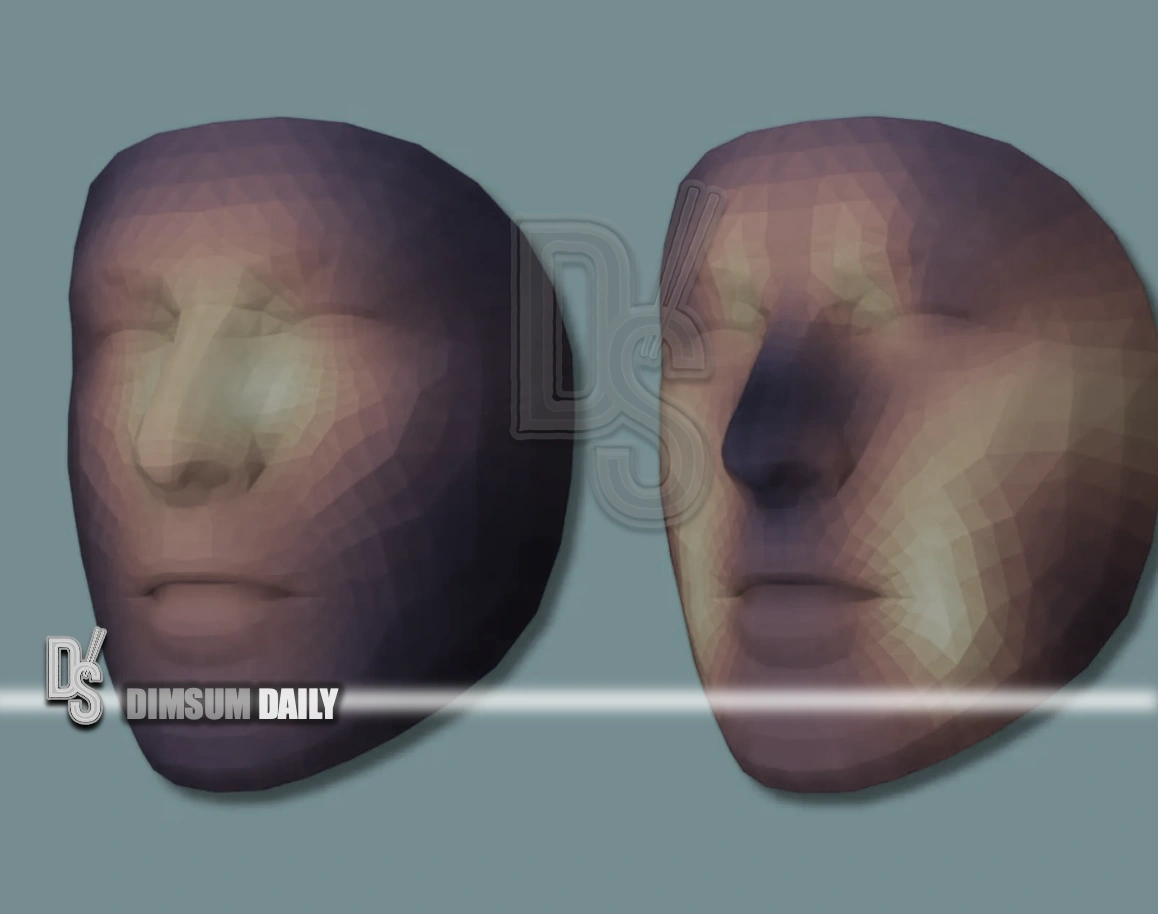
Fahr‑FaceSurvival was validated on tens of thousands of patients receiving radiotherapy and was able to separate groups with markedly different short‑term outcomes. Patients in the highest‑risk tier had more than triple the mortality rate of those in the lowest‑risk tier; in one analysis, 52 per cent of those flagged as highest risk died within 90 days compared with roughly 2.1 per cent in the lowest‑risk group. The two tools appear to focus on different facial regions when making predictions, with survival signals clustering beneath the eyes and around the nasal bridge, and age signals emphasising the nasolabial folds, forehead and temples, suggesting they capture complementary aspects of health.
Clinicians already make rapid, subjective assessments about resilience when weighing surgery, radiotherapy or systemic treatment in older or more vulnerable patients. The researchers argue that consumer‑grade facial images could offer a quick, non‑invasive biomarker to support those decisions and standardise assessments of reserve and frailty. External experts note that demonstrating predictive power is an early step and that prospective trials will be needed to show clinical benefit, fairness across skin tones, and safe integration alongside established performance status measures.
The team has also launched an expanded participation effort inviting members of the public to contribute face photographs to help refine the models, and is conducting studies comparing FaceAge readouts against formal frailty assessments in older patients. They emphasise that the tools are designed to augment, not replace, clinical evaluation and shared decision‑making about treatment intensity.