
























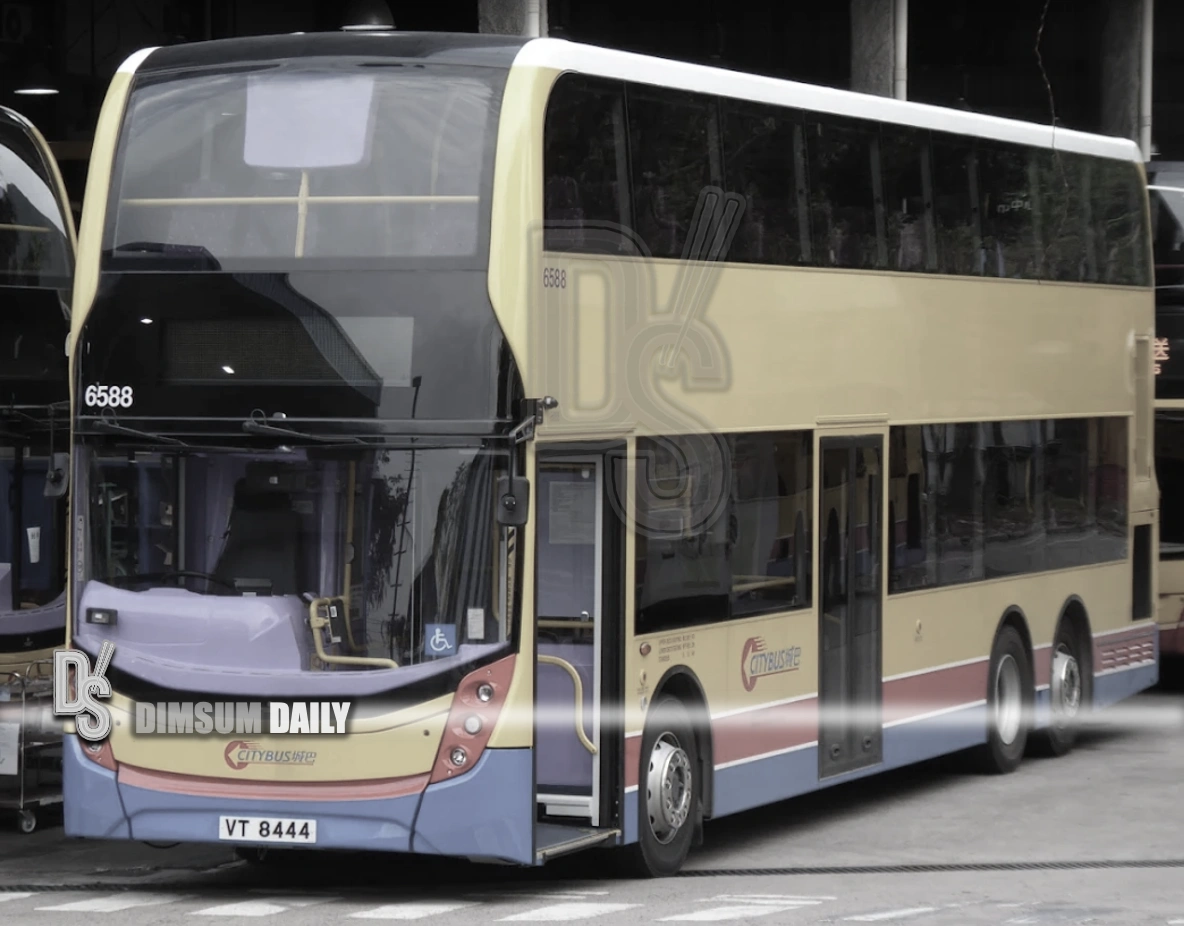
14th October 2026 – (Hong Kong) Three franchised bus groups have lodged fare applications citing persistent cost pressures and revenue softness. Kmb has requested a 16 per cent rise, Citybus 17.7 per cent, Long Win 8.1 per cent and New Lantao Bus 9.8 per cent. The bids were filed in April as Middle East tensions pushed up oil prices, and officials caution that uncertain conflict dynamics could keep fuel costs elevated, continuing to strain franchise finances. The operators expect first‑half income to fall year on year.
Secretary for Transport and Logistics Mable Chan said the Government will balance service reliability and financial sustainability with the public’s ability to pay, undertaking a careful, detailed review of an entire basket of factors. That assessment will pay particular attention to the franchises’ operating outlooks, including cost and revenue projections, longer‑term financial development and the potential impact on passengers.
Papers submitted to the Legislative Council’s transport panel show average daily patronage for franchised buses in 2024 and 2025 exceeded 3.7 million, a modest uptick from roughly 3.67 million in 2023, yet still below pre‑pandemic norms and beneath the 2010–2019 average of about 3.92 million. Officials say this reflects competition from other public transport and structural shifts in travel habits.
Recent decisions provide context. In 2024, the Transport Department received applications for increases of 6.5 per cent from Kmb, 9.5 per cent from Citybus and 6.5 per cent from New Lantao Bus. The Executive Council ultimately approved smaller adjustments of 4.3 per cent for Kmb, 7.5 per cent for Citybus and 6.5 per cent for New Lantao Bus. In handling such bids, authorities have also drawn on the Franchised Bus Toll Exemption Fund to cushion rises: as at June 2026, Kmb’s balance stood at HK$174 million and is projected to be exhausted by the first quarter of 2028; Long Win’s balance was around HK$4.29 million; Citybus (urban and New Territories) had depleted its fund through past increases; Citybus (airport and north Lantau) retained about HK$23.56 million as that franchise had not sought a rise; and New Lantao Bus had HK$18,300 remaining.
Operators face a testing operating environment marked by competition from other modes, rising operating and wage costs and sustained fuel pressures linked to supply‑chain effects. To improve service quality, they must also keep investing in long‑term assets such as new‑energy buses and supporting infrastructure, which reinforces the need to strengthen financial resilience. Forecasts point to notable profit pressure this year, with Kmb’s post‑tax income in the 2026 financial year expected to be down about 55 per cent versus 2025, Citybus (urban and New Territories) down about 52 per cent, Long Win down about 31 per cent and New Lantao Bus down about 129 per cent against 2025–26.
Fuel has been the swing factor. Consolidated data from the four franchises indicate March 2026 procurement prices for fuel jumped by roughly 75 to 134 per cent compared with January, lifting March fuel expenses by about 85 to 132 per cent. Higher oil costs dragged post‑tax profits across the franchises in the first three months of 2026 to around two to three tenths below the same period in 2025. By August 2026, prices remained elevated at close to double January levels. Officials say future fare decisions will holistically account for operating costs, including fuel, and any subsequent oil‑price movements will be fully factored into later applications.