

























2nd October 2026 – (Hong Kong) Big companies rarely collapse overnight. They fade one quarter at a time until a single set of results makes the decline impossible to explain away. For Nike, that moment came on 1st October.
The world’s largest sportswear company reported first-quarter revenue of US$11.21 billion. That was down 4% from a year earlier and below forecasts. Sales in Greater China fell 26% on a constant-currency basis, the ninth decline in a row. Then came the forecast. Nike expects full-year revenue to fall by a high single-digit percentage. Analysts had expected a drop of about 2%. If Nike’s forecast holds, sales would be the lowest since the year to May 2020, when the pandemic hit. The shares fell 8.5% in after-hours trading. Weeks earlier, Nike had been removed from the S&P 100 after 18 years in the index.
Management answered with another restructuring plan, called “Pace”. It promises US$2.5 billion in savings through fiscal 2031, at a cost of about US$1 billion in pre-tax charges. It also brings layoffs from 2027, a new campus in Bengaluru and a cut from four regions to three. On paper, it is a sensible plan. But it is a plan for a smaller company.
Read closely, the numbers tell two stories. Gross margin rose 60 basis points to 42.8%, helped by lower warehousing and logistics costs. Earnings per share were US$0.48, almost the same as a year ago. Nike is getting better at saving money. It is not getting better at selling shoes.
Most of the savings also arrive late, in fiscal 2029 and 2030. Investors are being asked to wait years for relief from a company that, as Vital Knowledge’s Adam Crisafulli noted, seems to lower its forecast every quarter. The stock is down more than 40% this year and is heading for a fifth straight annual loss. It sits roughly 75% below its 2021 peak.
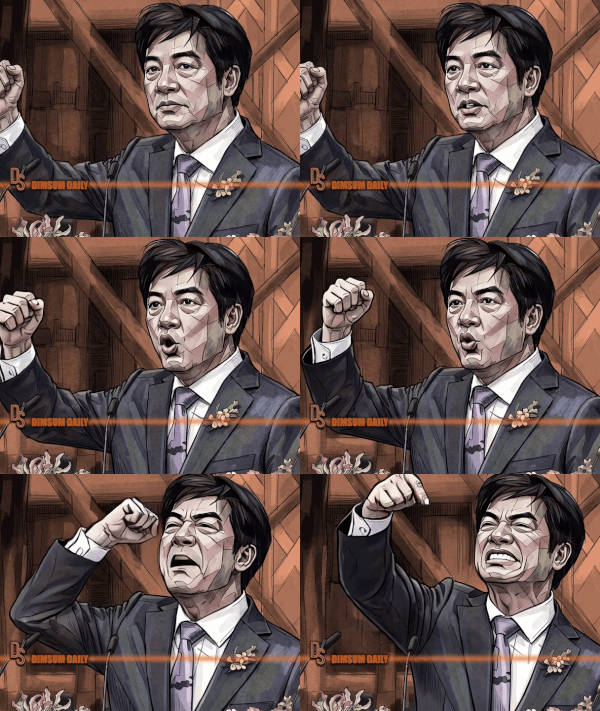
CFRA’s Zach Warring, who still rates the stock a buy, put it plainly. “This is a quarter you’d expect from a new CEO three or four quarters in, but not two years in.” GlobalData’s Neil Saunders asked the obvious next question. If the current model is not fit for purpose, why weren’t these changes made sooner?
The answer lies in decisions made years ago. Under former chief executive John Donahoe, Nike cut back on the retailers that stocked its shoes so it could sell directly online. Veteran analyst Matt Powell says the company spent research money on digital operations rather than new products. “Someone jokingly said they were trying to turn Nike into eBay,” he says. On and Hoka moved into the shelf space Nike gave up. Winning it back now costs margin, time and pride.
Nike built its empire on scarcity and storytelling. The first Air Jordans broke NBA rules, and Nike paid the fines as a marketing stunt. A limited Dunk or Air Max release used to feel like an event. Then Nike flooded the market with more colourways, more retro reissues and more stock. “The more broadly available those shoes became, the fewer people were interested,” Powell says. Chief executive Elliott Hill now admits Nike was “oversupplying” Jordan retros. Sales of Nike Sportswear, its fashion shoes and clothing, fell by low double digits in the quarter. These products make up about half of revenue. Retailers such as Dick’s Sporting Goods have warned that heavy discounting of Nike stock is hurting their business.
Meanwhile, young shoppers have found other favourites. Adidas leads the trend for slim, low shoes with the Samba and Gazelle. New Balance turned the “dad shoe” into an everyday staple with the 550 and 9060. Puma’s Speedcat, the Onitsuka Tiger Mexico 66, the Asics Gel-1130 and the Salomon XT-6 all have loyal followings. None of these brands needs to beat Nike outright. Each only needs to win one corner of a wardrobe. A Reddit thread titled “What happened to Nike?” sums up the mood among shoppers who once queued for new releases.
Athletes have noticed too. Kylian Mbappé had been with Nike since he was nine. In September he left for On, saying he would be “surrounded by innovators who dream of the same things I do.” Lamine Yamal chose Adidas partly to stand out from Nike’s crowded list of stars. Marketing academic Tim Derdenger says Nike’s legendary deals are “in the past” and that the present is what drives sales today.
China tells the same story in a different language. Anta, Li-Ning and Xtep are no longer cheap substitutes. They have their own technology, their own athletes and the pull of national pride. From January, Nike will take online sales rights away from some of its biggest Chinese retail partners. BNP Paribas analyst Laurent Vasilescu questions that approach. “Nike does not have a channel problem in China, but rather a product problem.”
Converse shows where neglect leads. Its sales have fallen for 14 straight quarters as it leans too heavily on the Chuck Taylor. A recent ad that evoked the Ku Klux Klan made things worse and led to a pause in its advertising.
Nike is not finished. It still made US$46.4 billion in revenue last fiscal year. North America grew 2%, helped by the World Cup and its running business. Caitlin Clark’s new signature shoe nearly sold out within two hours. Powell expects Hill’s turnaround plan, “Sport Offense”, to show results next year. However, a brand’s appeal returns slowly once it has been spent. “When you shut down innovation, you don’t turn it back on and it goes right back to full speed,” Powell warns. Cost cuts can repair a profit margin. They cannot make anyone want a shoe.
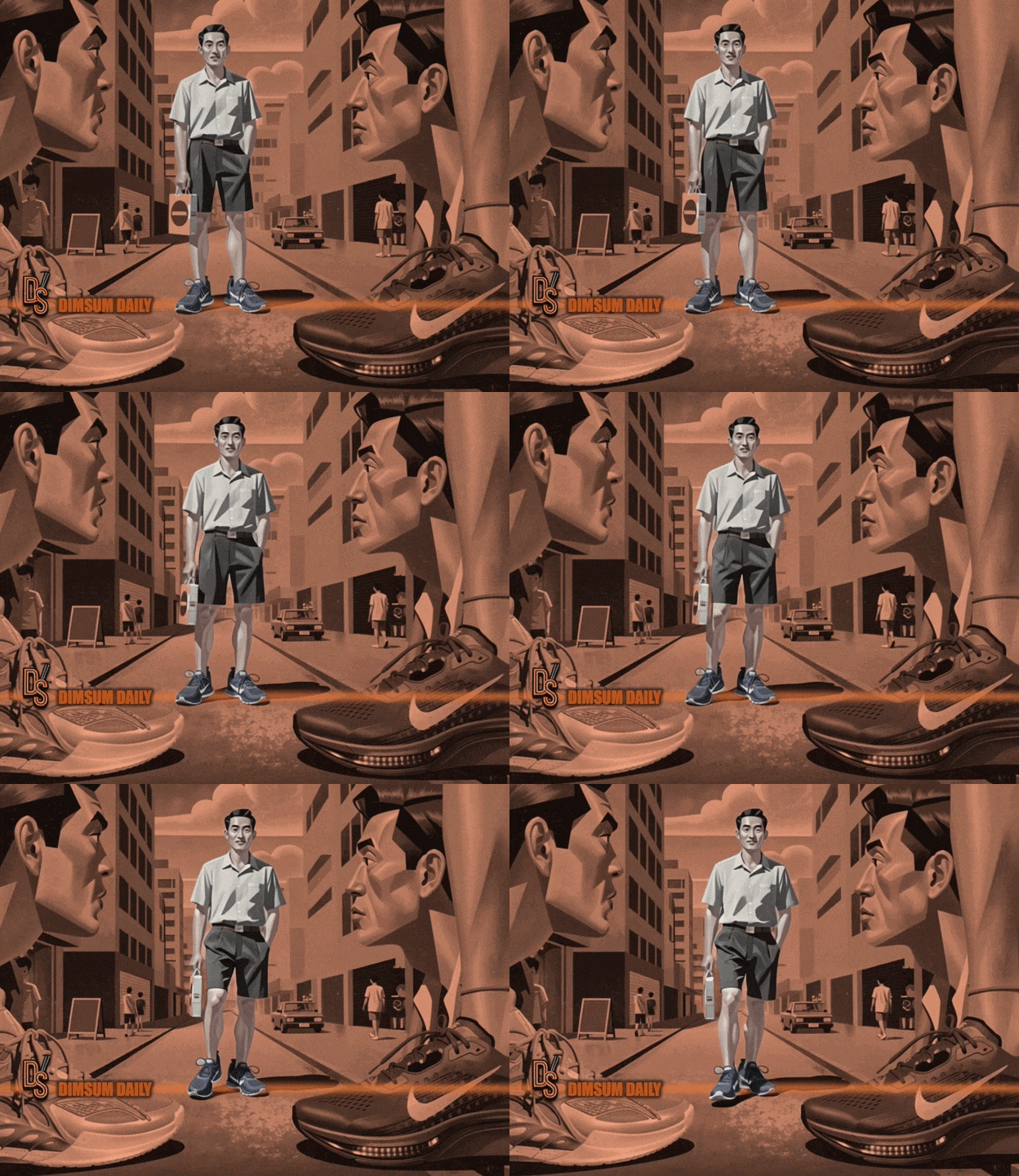
Nike’s task is no longer just to sell more. It has to matter again. Until it makes shoes people queue to buy, rather than wait for on sale, the Swoosh will stay what it has slowly become: a famous logo that young people have stopped looking at.