






























30th July 2026 – (Washington) The United States on Wednesday expanded sanctions aimed at curbing Iran’s oil revenues, designating a group of shipping companies in mainland China and Hong Kong alongside eight tankers accused of ferrying Iranian crude and petrochemical products to China and the United Arab Emirates. The State Department said the measures target participants in Iran’s sanctions‑evading “shadow fleet” and complement ongoing naval interdiction efforts.
Officials said six of the vessels were specifically implicated in delivering Iranian crude to China during 2026, with some voyages involving millions of barrels. The Treasury’s Office of Foreign Assets Control added the companies and ships to its Specially Designated Nationals list under Executive Order 13902, which addresses Iran’s petroleum and petrochemical sectors and implements the President’s National Security Presidential Memorandum‑2 on maximum economic pressure.
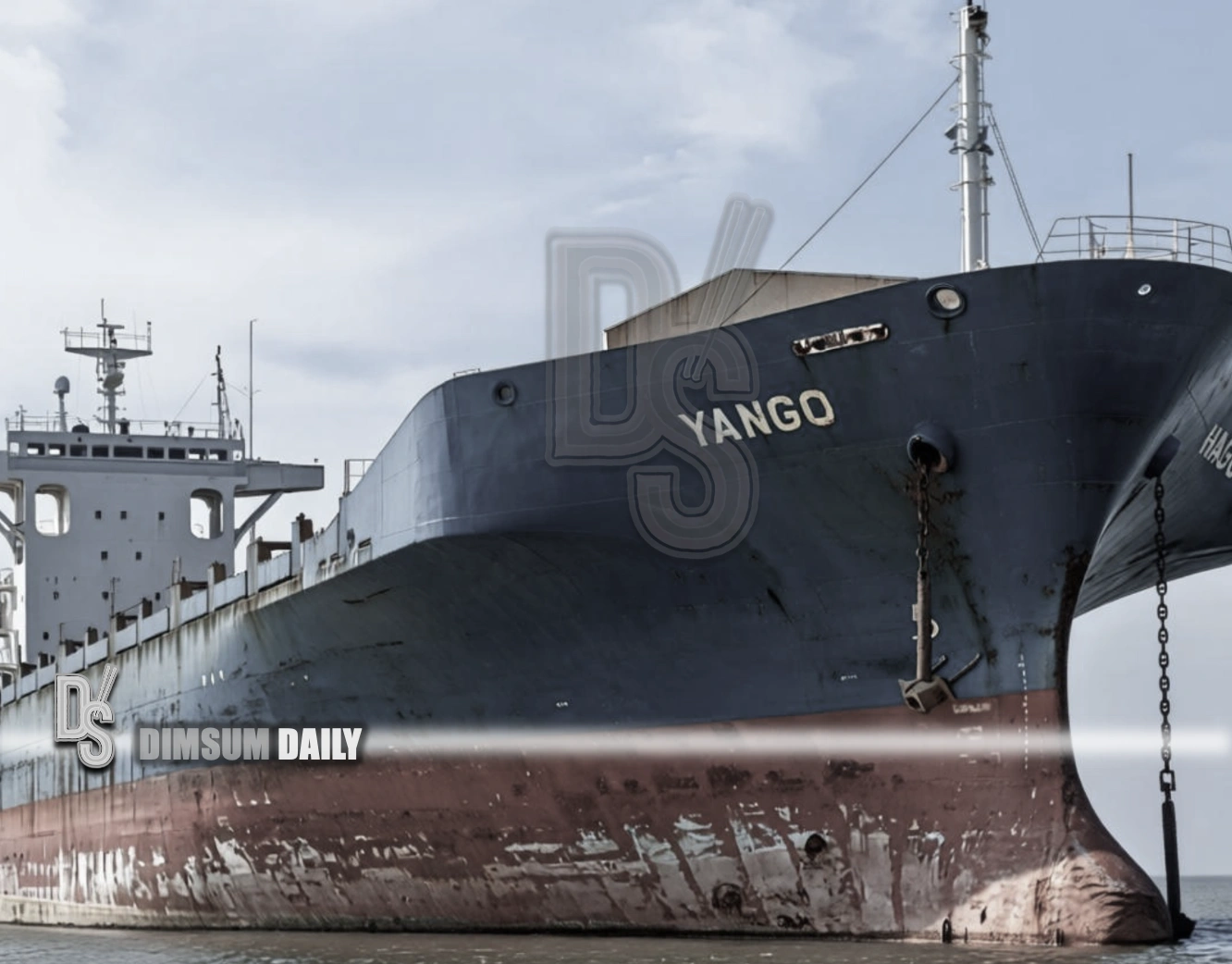
Entities named by Washington include Hong Kong‑registered shipping firms Billion Nexus Int’l, Confident Apex, Marinova Freight, Nevada Spirit and Qi Hang Ship Management, together with Branch Saying International Trading, Ocean Tranquility and Vast Mighty, which have links to the Marshall Islands. The eight tankers identified as blocked property are the Al Salmi, Breeze V, Crystal, Lily, Natsumi, Nireta, Well Sail and Yehope, flagged variously to Barbados, Vanuatu, the Marshall Islands and Mozambique.
The action also blacklisted two Iran‑based companies accused of coercing commercial shipping in the Strait of Hormuz into purchasing “insurance” against risks that U.S. officials say are largely created by Tehran itself. The Persian Gulf Marine Insurance Company and HormuzSafe Marine Services Authority were designated for operating in Iran’s financial sector, with Washington alleging they help channel revenue to the Islamic Revolutionary Guard Corps by accepting payments, including in digital assets, and tightening control over maritime traffic.
U.S. officials framed the move as reinforcement of military interdictions and a broader push to disrupt Iran’s energy shipments. The State Department said more than 100 vessels linked to Iran’s shadow fleet have been sanctioned in 2026. Treasury Secretary Scott Bessent argued the regime is seeking cash amid severe economic strain and warned that Washington would not allow international shipping to bankroll IRGC activity.
Under the designations, all property and interests in property of the listed persons in the United States or controlled by U.S. persons are blocked, and dealings with them are generally prohibited absent OFAC authorisation. Non‑U.S. persons risk secondary exposure if they materially support sanctioned parties, while OFAC’s enforcement guidelines outline potential civil or criminal penalties for violations.