




























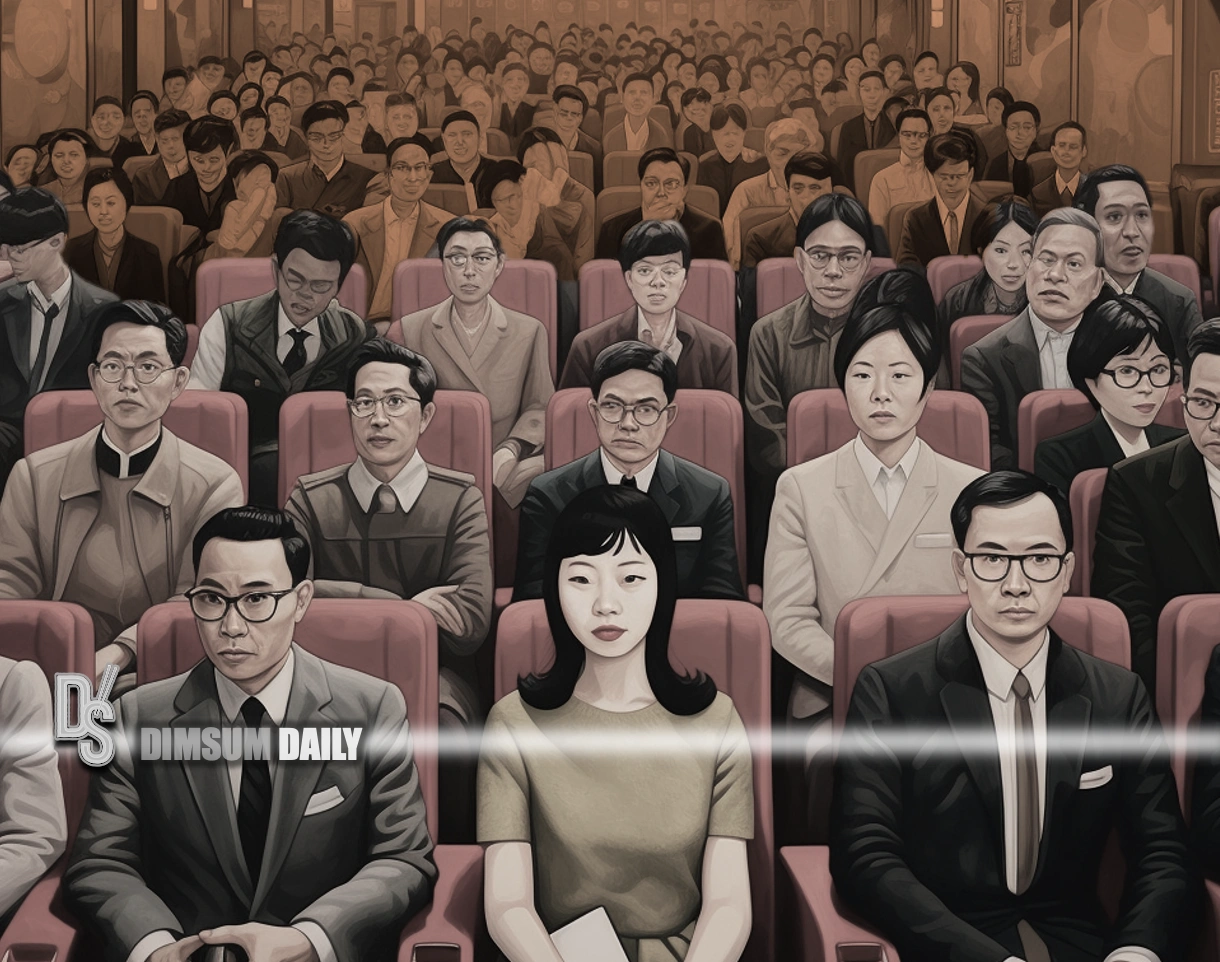
13th July 2025 – (Hong Kong) Since 2020, thirty-five cinemas have shuttered across the territory—eight sites remain vacant husks in prime urban districts—as changing consumption habits, Hollywood’s creative stagnation, and untenable rental economics converge into a perfect storm. Yet within this turbulence, operators like Winnie Tsang of Golden Scene Cinema exemplify resilience, their adaptive strategies illuminating a path forward not through nostalgia but innovation. Their fight for survival underscores an urgent imperative: Hong Kong must reconceive cinemas not merely as commercial ventures but as indispensable cultural infrastructure worthy of targeted government stewardship and policy reinvention.
The industry’s headwinds are structural and multifaceted. Audiences, conditioned by streaming convenience and emboldened by piracy—where illicit set-top boxes often release films before theatrical runs—increasingly eschew communal viewing. Hollywood’s output, once a reliable draw, has diminished in volume and originality, recycling franchises rather than cultivating fresh narratives. Most crippling, however, remains Hong Kong’s extortionate rental paradigm. The recent closure of MCL Kornhill Cinema lays bare the arithmetic impossibility: a monthly rent of HK$1.61 million against average ticket revenues of HK$1.45 million—a deficit even before distributor shares, staffing, and utilities. Though landlords now offer reductions (Kornhill’s space leased to a playcentre at HK$500,000 monthly), such relief often arrives post-mortem. Even Newport Circuit’s closure of its owned President Theatre—free of rental pressure—signals despair; when exhibitors abandon their own assets, faith in the medium itself frays.
Against this bleak tableau, Winnie Tsang’s Golden Scene Cinema in Kennedy Town has engineered a counteroffensive rooted in cultural curation rather than concessionary gimmicks. Dismissing fleeting solutions like sports broadcasts—whose prohibitive licensing fees rarely attract loyal patrons—Tsang invests in bespoke programming: retrospectives of Hong Kong New Wave auteurs, partnerships with international film festivals, intimate post-screening dialogues with directors, and dedicated showcases for Southeast Asian independents. “We’re not selling seats; we’re cultivating communities,” she observes, noting how events exploring local cinematic heritage consistently outperform formulaic blockbusters. This niche-building extends beyond content: off-peak pricing tiers, member exclusives, and integrated dining experiences lower barriers while elevating perceived value. Yet Tsang remains unequivocal about limitations. “Discounts may fill seats today but cannot resolve systemic collapse,” she cautions, predicting further closures within three years absent policy intervention. Her prescription—government-funded equipment upgrades, exhibition-specific tax relief, and rental subsidies—seeks not charity but parity with European models where cinemas receive operational stipends as protected cultural assets.
The academic perspective fortifies this policy urgency. Dr. Enoch Tam Yee-lok of Lingnan University contrasts Hong Kong’s reactive tactics—like the annual HK$30 Cinema Day—with continental frameworks embedding exhibition within cultural welfare states. “France funds cinemas as public goods, not commercial enterprises,” he notes. “Permanent tax offsets, streaming levies redistributed to physical venues, and urban planning mandates for arts spaces sustain diversity.” Such approaches acknowledge cinema’s dual identity: commerce and culture intertwined. Hong Kong’s current measures, Tam argues, mistakenly treat cinemas as generic retail—a categorisation wasting their potential to amplify the government’s stated commitment to creative industries. The closure wave should catalyse recalibration, elevating support from promotional stunts to structural underwriting.
Golden Harvest’s recent exit—shuttering its final four venues after fifty years—epitomises an era’s end but also ignites renewal possibilities. As megaplexes convert to playgrounds or experimental venues, agile independents like Golden Scene can leverage intimacy to foster loyal communities. Moreover, Hong Kong’s burgeoning film production renaissance—evidenced by recent critical darlings—offers synergistic potential. Legislative proposals could mandate extended theatrical exclusivity windows before streaming releases, allocate property development levies to cinema subsidies, or incentivise location partnerships where films premiere in districts where they were shot. Tsang’s advocacy for a dedicated exhibition fund could transform screens into permanent homes for restored classics, student filmmaker showcases, and regional co-productions—programming commercially marginal yet culturally vital.
The requiem for Hong Kong cinema remains premature. Winnie Tsang’s perseverance proves audiences still crave collective storytelling when offered authentic curation. As the government finalises its latest Policy Address, the industry seeks not bailouts but partnership: tax relief equalising operational viability, planning reforms designating affordable cultural zones, and grants enabling technological modernisation. Cinemas can thrive not as multiplex monoliths but as neighbourhood sanctuaries—curated, community-anchored, and indispensable. Their preservation transcends commerce; it safeguards civic spaces for shared wonder, discourse, and identity.