































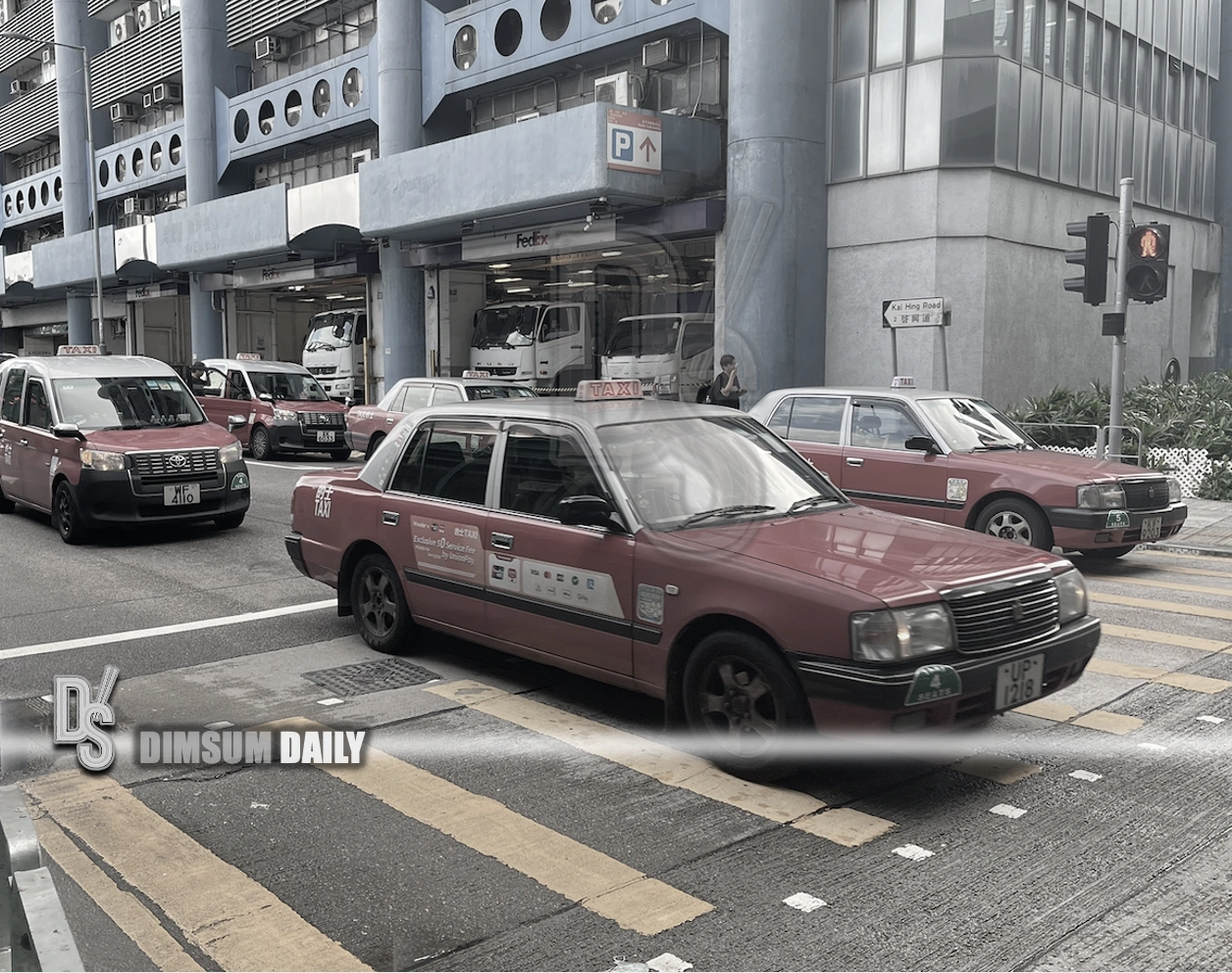
14th October 2026 – (Hong Kong) The Government has rebuffed calls to segregate urban taxis for city‑bound passengers at certain interchanges, insisting the present set‑up is simpler and clearer for the public. Responding to a Legislative Council question from legislator Chris Ip, Secretary for Transport and Logistics Mabel Chan said urban “red” taxis are legally required to take passengers to any destination other than parts of Lantau, and that creating stands limited to specific destinations could confuse users, particularly visitors, and fail to reflect diverse point‑to‑point demand. She noted that New Territories “green” taxis will continue to serve their designated operating zones at lower fares, with both red and green stands already provided at hubs such as the airport and land boundary control points to aid passenger flow.
Chan reported that the Taxi‑Driver‑Offence Points regime, covering 11 serious contraventions and in force since 22nd September 2024, has prompted measurable enforcement outcomes. As at 2nd October 2026, 229 taxi drivers had incurred points, including 125 cases of refusing hire, which accounts for about 55 per cent of all point‑bearing offences. Three drivers have been disqualified from driving taxis for three months after reaching or exceeding 15 points. From the start of the scheme to August 2026, the Transport Department received 5,944 taxi‑related complaints, of which 605 concerned refusals of hire, with cases investigated and, where appropriate, referred to enforcement agencies, or owners and drivers reminded by letter to observe the law and maintain service standards.
On broader supply and service planning, Chan reiterated that Hong Kong’s transport policy is rail‑led and supported by franchised buses and other mass modes, with taxis providing customised point‑to‑point journeys that make up roughly 6 per cent of overall patronage. Of the territory’s 18,163 registered taxis, 2,838 are licensed for the New Territories. In step with development in districts including the Northern Metropolis and major new infrastructure, the Government will continue to review and, where necessary, adjust the permitted operating areas for New Territories taxis, as seen with recent extensions to the Hong Kong‑Zhuhai‑Macao Bridge Hong Kong Port and the newly commissioned Huanggang Port Area, and last year’s permissions around pre‑booked airport pick‑ups.
Annual service‑level surveys indicate taxi supply has remained broadly stable in recent years, according to Chan, who pledged continued monitoring and engagement with the trade to safeguard orderly operations. She added that a statutory framework for ride‑hailing has been enacted to widen safe, compliant point‑to‑point options, with licensed digital platforms required to provide taxi‑hailing services. Once those platforms launch, their operational data will inform dynamic assessments of supply and demand, with the aim of fostering complementary strengths and fair competition between taxis and ride‑hailing while protecting the efficiency of the wider public transport system.