































10th September 2026 – (Hong Kong) Apple’s “Surprise and Shine” autumn event has set Hong Kong dollar prices for five new products — led by the company’s first foldable phone, the iPhone Duo — while industry watchers still expect more Mac, TV and smart-home hardware before the year is out.
Chief executive John Ternus, appearing with Tim Cook at Apple Park, framed the iPhone as the company’s AI hub before unveiling the iPhone 18 Pro and Pro Max, AirPods 5, Apple Watch Series 12 and Ultra 4, then saving the book-style Duo for last. Local suggested retail for the Pro starts at HK$10,499 and the Pro Max at HK$11,499 (256GB and up, with 2TB new to the line). Pre-orders open at 8.00pm on 12th September, with shops due to stock them from 18th September. Both phones use Apple’s first high-volume 2-nanometre A20 Pro chip — Apple says the six-core CPU is up to 20 per cent faster and the seven-core GPU up to 40 per cent quicker — plus a vapour-chamber cooling layout, longer video playback and a 48-megapixel main camera with a six-blade variable aperture. Pro colours include glacier and burgundy finishes. Apple Reference Image can cryptographically sign photos at the sensor to help prove they were shot on an iPhone rather than generated by AI, though Apple said the tool will not be offered in the European Union or China. iOS 27’s iPhone Handoff will let one mobile number follow whichever handset a user picks up, Apple’s Kaiann Drance said, launching first with selected carriers.
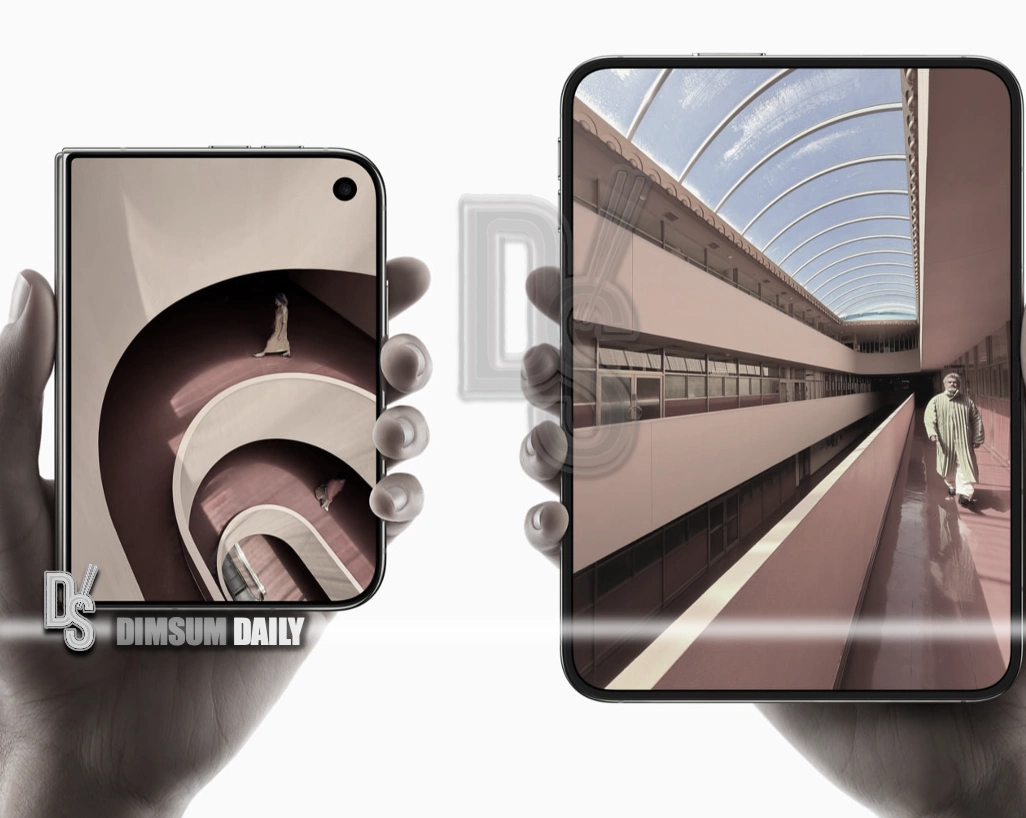
The passport-sized Duo folds open to a 7.6-inch inner Super XDR panel and keeps a 5.4-inch outer display — Apple said the cover screen is about 90 per cent the area of an iPhone 18 Pro’s face. Peak brightness is rated at 3,000 nits on both panels, with dual batteries claiming up to 44 hours of video on the outer screen and 31 hours unfolded. Hardware includes the A20 Pro, side-button Touch ID, titanium casing, under-display selfie cameras, dual 48-megapixel Fusion and ultra-wide lenses, Pencil support and redesigned two-pane multitasking, with software lead Craig Federighi saying Apple had reviewed every aspect of iOS for the dual canvases. Connectivity uses Apple’s second-generation C2 modem, which hardware chief Johny Srouji said is 50 per cent faster than the prior design, adds US millimetre-wave 5G and uses 15 per cent less energy. Hong Kong pricing starts at HK$17,499 for 256GB, climbing through higher capacities toward the top 2TB tier; pre-orders begin at 8.00pm on 16th October, with sales from 23rd October in black and white.
Wearables and audio keep pace without the same sticker shock. Apple Watch Series 12 starts at HK$3,199 for 42mm and HK$3,599 for 46mm; Ultra 4 from HK$6,499 — both on the new S11 chip, with aluminium, titanium and ceramic case options and no US-dollar price rise versus last year’s starting points. New Audio Intelligence tools include a 15-second live rewind of nearby speech and Siri Recap summaries of meetings, due in beta later this year, while health lead Sumbal Desai previewed a daily readiness score drawn from activity, vitals and sleep. AirPods 5 finally put active noise cancellation on the open-ear model, Apple saying isolation is 50 per cent better than AirPods 4; the standard pair is HK$1,099 and the wireless-charging stem-control edition HK$1,249. Watch and AirPods pre-orders are open now for 18th September pickup.
Even after that haul, Mashable and Bloomberg’s Mark Gurman still flag a second wave of 2026 launches that were not on stage. Tipsters expect a MacBook Pro with an M6 chip for performance and battery gains, and a thinner “MacBook Ultra” with an OLED panel, Dynamic Island and — unusually for MacBooks — a touchscreen, though that machine could slip into early 2027. A refreshed Apple TV 4K is overdue after four years, reportedly gaining Apple’s N1 Wi-Fi and Bluetooth chip, a redesigned Siri Remote and possible Siri AI. A new HomePod Mini, the first since 2020, is also said to bring Siri AI, the same N1 radio and perhaps a red finish with clearer sound. Further out sits a rumoured Home Hub — a HomePod-like box with a 7-inch screen, face recognition to personalise what it shows, FaceTime, music and photos, and an operating blend of homeOS and tvOS. The standard iPhone 18, by contrast, is not expected this year, with spring 2027 still the working window for the cheaper slab model.