































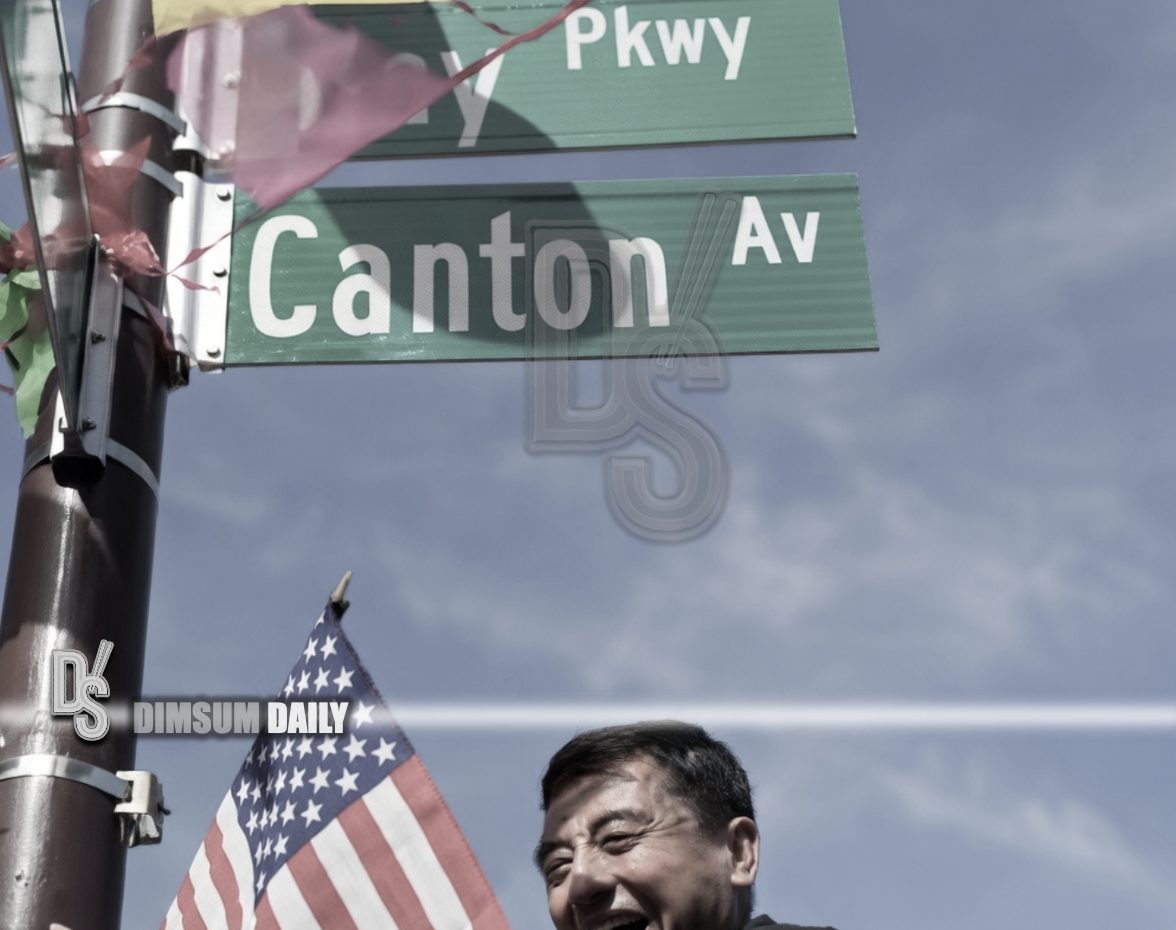
6th October 2026 – (New York) A significant ceremony took place on 2nd October at the intersection of Bay Parkway and 86th Street in Bensonhurst, Brooklyn, as the new bilingual street sign for Canton Avenue was officially unveiled. The event brought together hundreds of Chinese Americans and local Cantonese business leaders to celebrate a milestone in the community’s history while reflecting on the enduring legacy of Cantonese immigrants in the area.
Presiding over the ceremony was New York City Council member Susan Zhuang, who championed the initiative to name the street. She recalled how Cantonese-speaking families began settling in the district in the 1980s, gradually establishing the 86th Street neighbourhood as a vibrant hub for Chinese life in Brooklyn. In her remarks, Zhuang emphasised that the unveiling of Canton Avenue marks more than just a new name; it serves as public recognition of the contributions and heritage of Cantonese immigrants and offers inspiration for future generations to take pride in their culture.
The recognition comes at a time when the wider United States society is increasingly acknowledging the historical significance of Chinese labourers, particularly those who journeyed from China’s Guangdong province. In the nineteenth century, approximately twelve thousand Cantonese workers played a crucial role in the construction of America’s first transcontinental railway, with Chinese labour responsible for up to ninety-five per cent of the project. Their tireless efforts reduced the completion time of the railway from fourteen years to just six, although these achievements came at great human cost. Tragically, for every two miles of track, an average of three Chinese workers lost their lives, with more than one thousand two hundred dying far from home. Despite their sacrifice, Chinese workers were notably absent from the ceremonial joining of the railway, and soon faced the shadow of the Chinese Exclusion Act.