























4th October 2026 – (Hong Kong) Two senior administrative officers — former Deputy Secretary for Security Benjamin Mok Kwan-yu and Commissioner for Sports Mr George Tsoi Kin-pan — are being lined up as support staff for a Public Service Commission investigation team that will dig into official failings from the Wang Fuk Court fire and report to the Chief Executive or bureau secretaries.
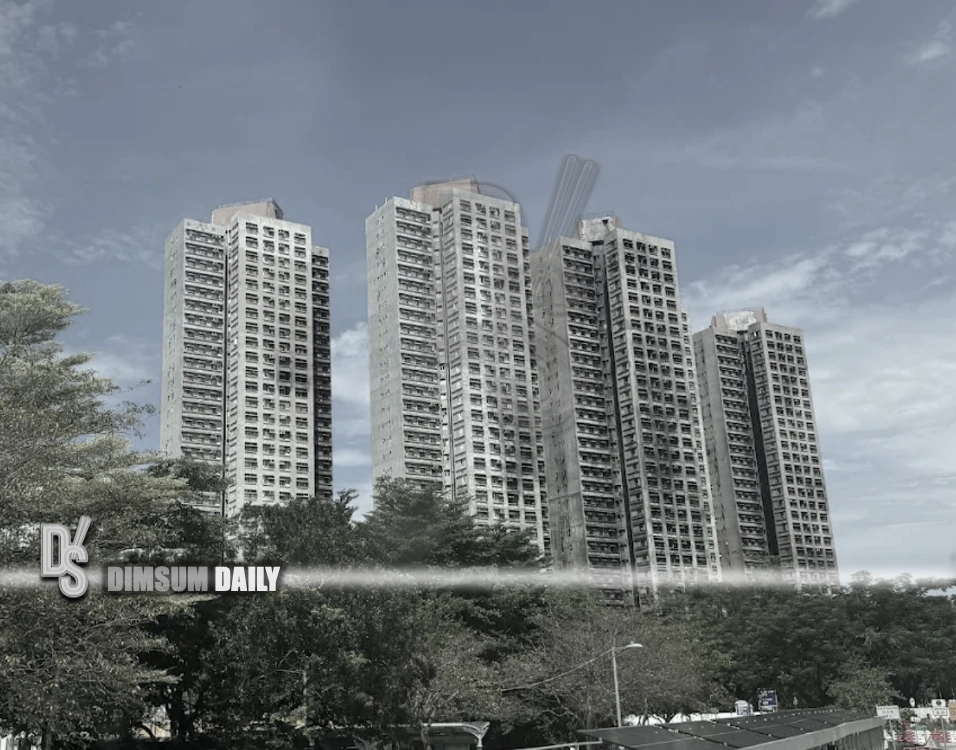
The independent committee examining the Tai Po blaze that killed 168 people is due to submit its findings to Chief Executive John Lee Ka-chiu by the end of this month, with officials expecting delivery as early as the third or fourth week of October. Once those conclusions land, the government wants administrative accountability machinery ready. Under the Inquiries Regulations, a second-level investigation led by the Public Service Commission may authorise a group of “support staff” — civil servants and non-civil service contract government employees — to help investigate, identify who should answer for what, and draft a report for the Chief Executive or the secretary who triggered the probe.
Officials say Mok has already left the Security Bureau and taken up the new duties, while Mr Tsoi is due to move tomorrow, 5th October. Principal Assistant Secretary for Culture, Sports and Tourism Ms Polly Chong Man-ting, who now handles sports and recreation, is expected to succeed him as Commissioner for Sports. The support unit will include directorate administrative officers and non-civil service staff and will dissolve once the investigation ends. If the independent committee names individuals for blame, cases can move straight into disciplinary proceedings without another full inquiry layer.
Over five months and 30 hearings, the independent committee has broadly highlighted shortcomings and buck-passing among four bodies: the Housing Bureau’s Independent Checking Unit, the Labour Department, the Fire Services Department and the Buildings Department. The Labour Department, accompanied by contractor Wang Yip staff, inspected 16 times after smoking complaints yet never caught workers lighting up; both Labour and Fire Services said the matter sat outside their remits. The Independent Checking Unit monitored flame-retardant tests on scaffolding nets after tipping the consultant a day early, then passed a sample that was extinguished about 10 seconds into burning. Fire Services repeatedly approved extensions that left hydrant and hose-reel systems idle for months. The Buildings Department changed internal guidance to require random site checks without telling the Independent Checking Unit, so the unit never inspected windows later altered on rear staircases.
In his Policy Address on 17th September 2025, Mr Lee unveiled a Departmental Head Accountability System to tighten civil-service responsibility. Where a department faces serious, widespread or repeated systemic problems, or signs that the head’s role may be involved, a second-level investigation under the Public Service Commission follows. Officials expect Wang Fuk Court officers alleged to have failed in their duties to be put through that new disciplinary track. Asked in June whether a finding of civil-service responsibility would go straight to discipline or first through the commission’s investigation mechanism, Secretary for the Civil Service Mrs Yeung Ho Poi Yan, Ingrid said it depended on whether the independent report had already reached the individual level, because discipline targets people and first requires establishing who inside a department bears responsibility and how far that runs.
Government sources say the support team will help pin down subjects and their duties before handing recommendations upward; final accountability calls remain with superiors, and results of any second-level inquiry — including where civil servants erred and who must answer — are expected to be disclosed. An Executive Council member argued that the independent committee has already aired the fire’s causes and departmental responsibility in public, so it is not “one of our own investigating our own”, and that assigning senior officers to dig further for shortfalls and identify administrators whose performance fell short was a practice worth affirming, with fairness as the overriding test.
Mr Lee said in August that the government would pursue “systemic reform, legal reform and accountability”. With the administrative track now being staffed, political accountability — whether carried by secretaries of departments alone or shared among bureau chiefs — is the next flashpoint in political circles.