
























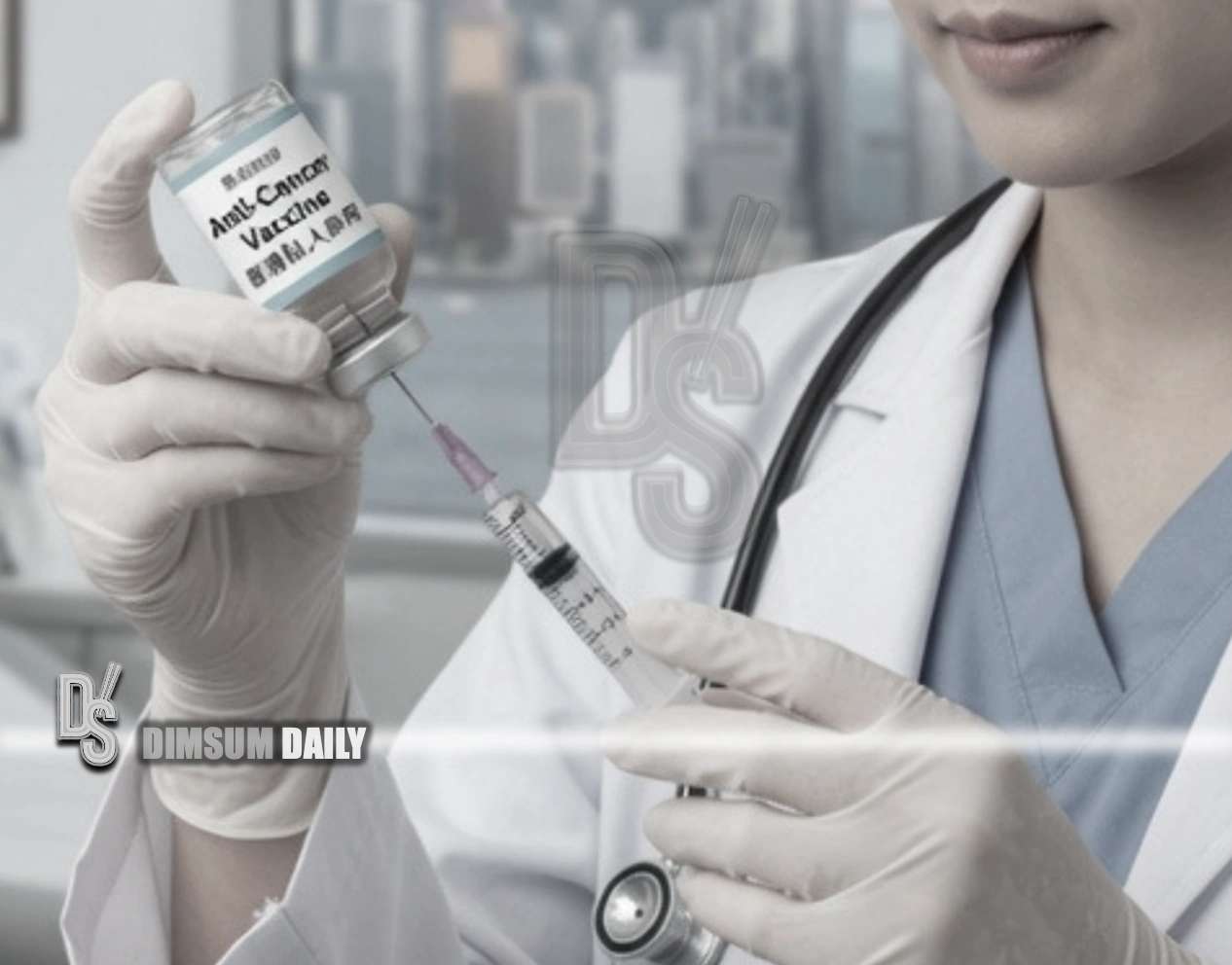
5th September 2026 – (Hong Kong) Health authorities are investigating medical centres suspected of marketing an unregistered “cancer‑prevention” injection known as WT1, with enforcement operations under way this week alongside the police. Officials said the product is not a registered pharmaceutical in Hong Kong and there is no scientific evidence it prevents cancer. In coordinated raids launched from early this week, officers searched more than ten premises across the city and seized over 50 unregistered injectable products from two locations, while stressing that none of the seized items were labelled as WT1. At least two people were arrested in the initial phase of the operation, and subsequent briefings indicated the scope later widened to additional premises with three arrests in total, including a clinic operator, as inquiries continued.
Officials said no cases have so far been identified of members of the public receiving the purported WT1 injection locally, nor have any adverse reactions linked to such injections been reported to the authorities. They cautioned, however, that some recipients could be non‑residents who may have left the city, and that lines of inquiry remain open.
The Department of Health reiterated that WT1—short for Wilms’ tumour 1—is not a registered drug in Hong Kong and remains outside formal clinical registration anywhere, with any promotion claiming it can prevent multiple cancers deemed misleading. The department added that any sale or possession of unregistered pharmaceutical products is illegal, and misleading medical advertising is subject to enforcement.
Frank Chan Ling‑fung, Assistant Director of Health (Drug), underscored that the crackdown targets alleged illegal sale and promotion of unregistered injectables and that investigators are tracing the supply chain. Separately, the Office for Regulation of Private Healthcare Facilities confirmed that regulatory oversight of private clinics is being applied, with the office led by Dr Joanna Leung Oi‑shan.
Authorities said they will also examine whether any suspected fraud was involved, including whether clients were actually given WT1 or instead received saline or vitamin injections marketed under false claims. Further updates are expected as searches, interviews and forensic testing of seized products proceed.