

























6th October 2026 – (Hong Kong) The Hong Kong Jockey Club Centre for Suicide Research and Prevention at the University of Hong Kong reported that the suicide rate among children under 15 rose from 0.9 per 100,000 in 2024 to 2.9 per 100,000 in 2025. Fifteen known cases, up from six. The city’s overall rate fell over the same period, from 13.8 to 13 per 100,000. The adults, in other words, were doing slightly better. The children were doing much worse.
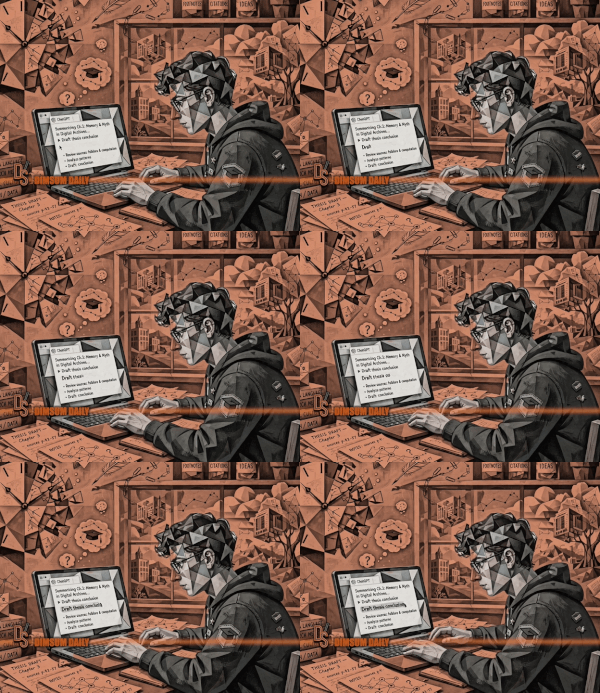
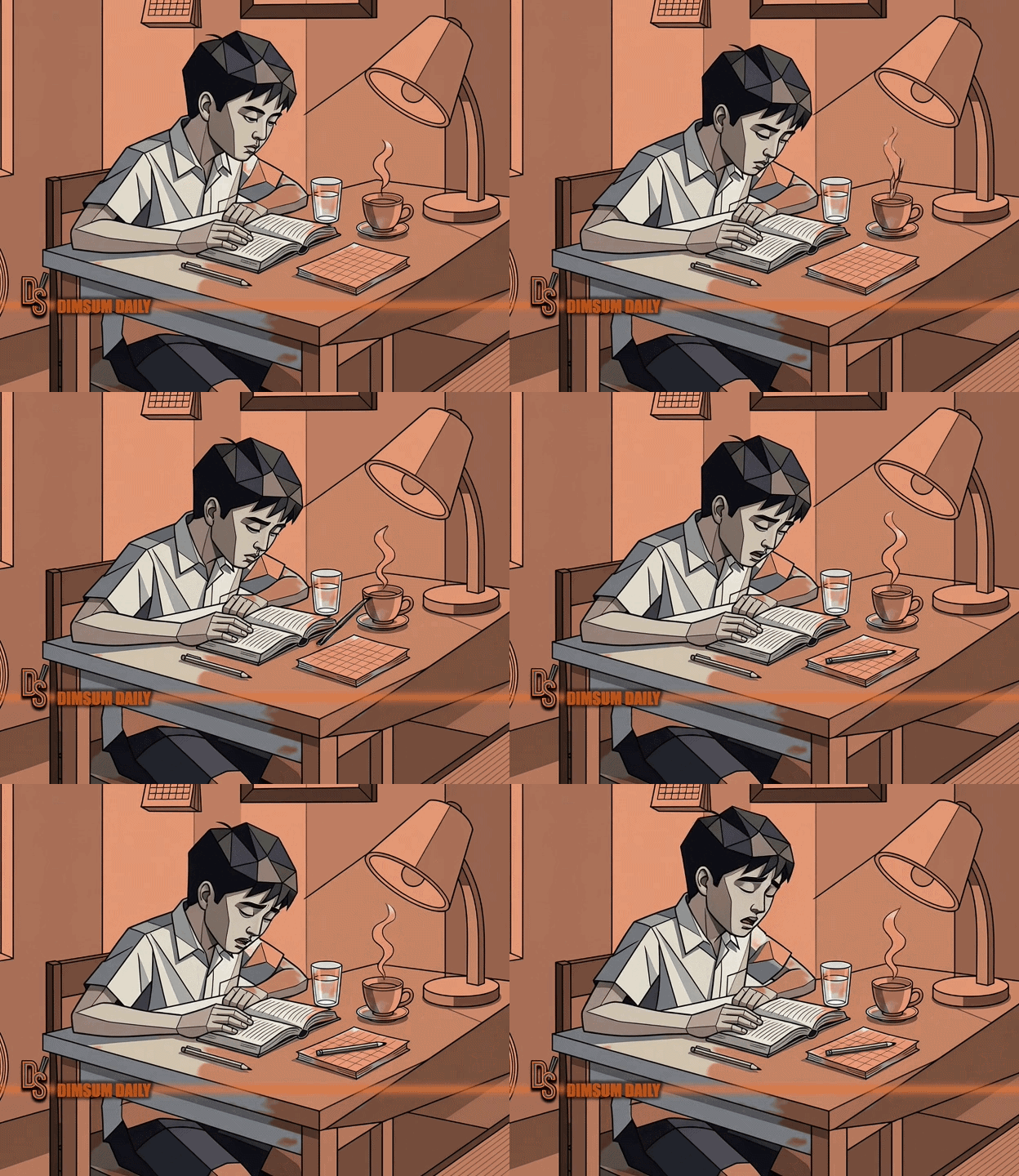
The researchers noted that most of the students faced academic pressure and problems with peers, that most of the deaths happened at home, and that every note and expression of intent they could trace was in digital form. More than 30 per cent came from Band A1 schools. Read those details slowly and a pattern emerges that has little to do with a shortage of tutors. These were children in their own homes, typing their despair into a screen, because the screen was what was there.
On an ordinary weekday in Hong Kong, many children start their day with a foreign domestic helper who wakes them, prepares breakfast, and walks them to the school bus. Later, a grandmother or the same helper greets them after school, oversees homework, and sets out dinner. Typically, one or both parents return home after eight o’clock, and sometimes not until after their children have gone to bed. Any sense of distance is often bridged at the weekend with a family outing or a small gift. This routine is not a sign of neglect. Rather, it reflects the reality of a city where a home demands twenty years of earnings and dual incomes are essential for most families. Still, a child does not see this as a matter of calculation; for a child, daily life is shaped by the sequence of caring hands that guide them through each day.
The British psychotherapist Philippa Perry in her book, The Book You Wish Your Parents Had Read, describes a ten-year-old named Lucas whose loving, hard-working parents cycled him through au pairs, friends and grandparents while promising weekend treats. He seemed fine until he tried to climb out of a sixth floor window. In therapy he said that some days he felt like pass the parcel. He had overheard his parents on the phone arranging his care and concluded he was a logistical burden. When he tried to say he was sad, they cheered him up, distracted him or told him he was not. Each time, he learned that the feeling was unwelcome, so he stopped bringing it.
Validation is a modest act. Clinical psychologist Anna Sintes Estévez describes it as accepting what a person feels without judging it and showing them that it matters to you. In practice it means putting the phone face down, looking at the child, letting them finish, and reflecting back what you heard. You seem really angry. It makes sense you felt left out. It does not mean agreeing with the behaviour and it does not mean giving in. A child can be told the ice cream is still not happening and also that wanting it is understandable. One is a boundary. The other is a bridge.
The opposite is equally modest and far more common. Don’t be silly. Stop crying. Other children have it worse. We’re going to Ocean Park on Saturday. Each is offered with love and each tells the child the same thing, that the feeling is wrong and should be hidden. Perry’s image is useful. A difficult emotion is a warning light on a dashboard. Removing the bulb does not refill the tank.
Why do so many Hong Kong parents remove the bulb? Three reasons, observed rather than judged. The first is time. A parent with two hours a night wants those hours to be pleasant, and a child’s sadness threatens that. The second is inheritance. Most of today’s parents were raised on don’t be silly, and it is hard to give a child what you were never given. The third is delegation. A helper can be asked to supervise homework and bedtime. She cannot be asked to be the person whose attention the child most craves, and a child knows the difference by the age of two. Childminding can be outsourced. Love cannot.
There is a further cost particular to this city. Helpers leave. Contracts end, families relocate, grandmothers fall ill. Each departure is, for a small child, a bereavement nobody names. Lucas felt guilty for forgetting au pairs he had loved and decided they must have forgotten him too. A Hong Kong child who has had four helpers by the age of ten has had four such losses, and in most households not one conversation about any of them.
Lucas’s father eventually made sure one parent was home by six every evening and tried, not always successfully, to leave his phone alone. Two hours of being somebody’s undivided priority proved worth more than a month of weekend treats. The steps are known. Ask what the feeling is like and where it sits. Name it without owning it, saying it looks as though you feel sad rather than you are sad. Ask whether they want help or only want to be heard. Never argue with a feeling at full strength. Return to it later.
Donald Winnicott observed that it is a joy to be hidden and a disaster not to be found. Fifteen children in Hong Kong were not found last year. They were housed, fed, schooled and driven to tutorials by people who cared. What they lacked was someone with the time and the nerve to sit beside the unpleasant thing they were feeling and say, simply, I see it, and it makes sense.